After the storm, recovery starts with calm, community and preparation
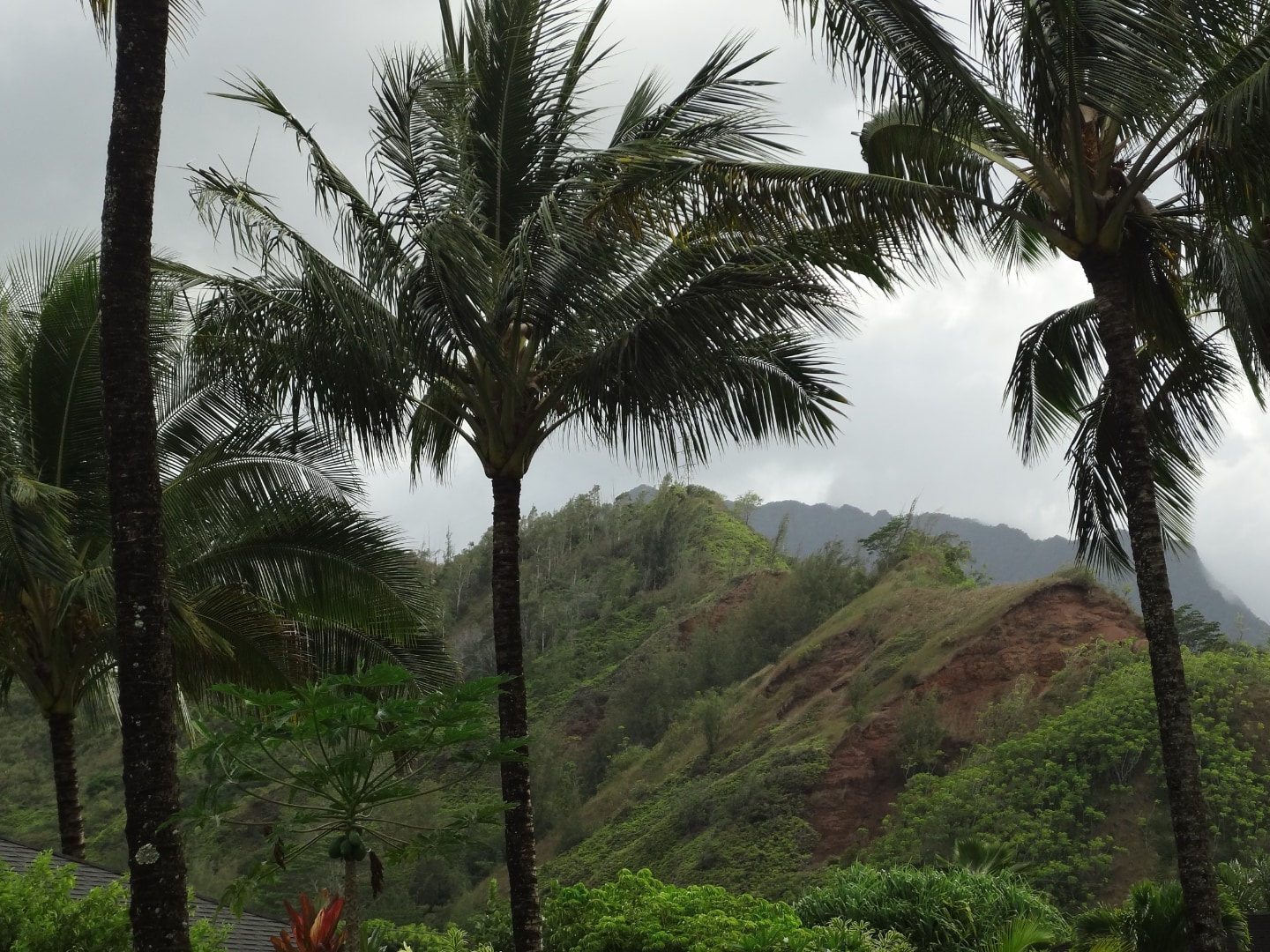
After a storm, most people think recovery starts with cleanup. Actually, recovery starts a little earlier than that, with regulation. When the rain slows down and the warnings ease, our bodies do not always get the message right away. We may still feel tense, tired, distracted, emotional, irritable, or unable to focus. Sleep can feel off. Appetite can change. Even simple decisions can suddenly feel heavy. Those reactions are not weakness. They are a normal human response to stress.
That matters on Kauaʻi right now. After the recent severe weather and flooding, many families were left not only thinking about roads, homes, and schedules, but also trying to settle their minds and bodies after days of uncertainty. As a coach, I look at moments like this through a slightly different lens. I do not ask, “How fast can we get back to normal?” I try to ask, “What helps people feel steady enough to take the next right step?”
Real recovery usually begins with very basic things: safety, water, food, rest, and a calmer nervous system. It means asking simple questions. Are we safe? What needs attention in the next 24 hours? Who needs help today? What can wait until tomorrow?
When people are overwhelmed, trying to do everything at once usually creates more stress and exhaustion. Small, clear actions work better. Eat something nourishing. Hydrate. Sit down for a moment. Breathe more slowly. Write down your top three priorities. Then do one of them. That is not doing too little. That is building stability.
This is also where Kauaʻi’s deepest strength shows up: Ohana and community. Recovery is never only about our own house, car, or schedule. It is also about checking on kupuna, neighbors, families with keiki, and anyone who may not have the resources, mobility, or emotional bandwidth to do it alone. We do not always need dramatic gestures. Sometimes the most meaningful support is practical and specific: “I’m going to the store, what do you need?”, “I can help move wet items out.”, “I can bring food.”, “I can watch your children for two hours.”, “I can sit with you while you make those calls.” Community is not just a beautiful idea after a storm. It is part of the solution.
At the same time, we have to respect the hazards that remain after the rain. Recovery should never become another emergency. Flooded areas, murky water, unstable roads, debris, contamination, and mold can all create ongoing risk long after the skies clear. That means slowing down enough to be careful. It means keeping children away from unsafe areas, wearing protection during cleanup, and understanding that getting it done fast is not always the same as getting it done well.
If your home, car, business, property or anything else you have was affected, another coaching principle applies: do not rush blindly — document first, then act. Take photos. Keep receipts. Make notes. Contact the right agencies, insurers, or support services before making major decisions. In stressful moments, documentation may feel like one more burden, but it protects you later. Clear information reduces confusion, and clarity saves energy.
We should also say this clearly: recovery is emotional as much as physical. Some people move into action right away. Others feel stuck, numb, unusually tired, or overwhelmed. Both responses are human. We should not treat emotional strain like it is separate from recovery. It is part of recovery. Sometimes strength looks like cleaning up a damaged room. Sometimes it looks like asking for help, accepting support, or admitting that you are not ready to process everything yet.
The hopeful part of this story is that preparedness is something we can improve. We cannot control nature, but we can reduce chaos. Preparedness is not fear. Preparedness is care. It is updating emergency alerts, keeping flashlights and batteries ready, protecting important documents, organizing medications, knowing your family communication plan, and making sure everyone in the household understands what to do if conditions change quickly.
The Hawaiian islands have always understood something that modern life sometimes makes us forget: strength is not only in pushing through. Strength is also in pausing, checking in, accepting support, and rebuilding with intention. After a storm, being calm is not denial. Being careful is not weakness. Being prepared is not pessimism. These are forms of wisdom.
If there is a lesson here, maybe it is this: when nature reminds us how vulnerable we are, community reminds us how strong we can be. In Hawaii, recovery has never been a solo act. It has always been Ohana. And if we carry that spirit forward, we will not only recover better, we will be better prepared for whatever comes next.
Sources & Community Resources
- County of Kauaʻi, “11 A.M., March 19, County of Kauaʻi, Severe Weather,” March 19, 2026. https://www.kauai.gov/County-Press-Releases/11-A.M.-March-19-County-of-Kaua‘i-Severe-Weather-2026
- County of Kauaʻi, “9:45 A.M., March 21, County of Kauaʻi, Severe Weather,” March 21, 2026. https://www.kauai.gov/County-Press-Releases/945-A.M.-March-21-County-of-Kaua‘i-Severe-Weather-2026
- County of Kauaʻi, “FINAL UPDATE: 5:45 P.M., March 21, County of Kauaʻi, Severe Weather,” March 21, 2026.
- State of Hawaiʻi, Office of the Governor, “Governor Green Submits Request for Presidential Disaster Declaration Following Devastating Kona Low Storms,” March 24, 2026.
- Hawaiʻi Department of Commerce and Consumer Affairs, Insurance Division, “Understanding Flood Insurance Coverage as Stormy Weather Continues,” March 21, 2026.
- American Red Cross, “Emotional Recovery After a Disaster.”
- American Red Cross, “Red Cross Helping as People in Hawaii Begin Cleaning Up After the Flooding,” March 24, 2026. https://www.redcross.org/get-help/disaster-relief-and-recovery-services/recovering-emotionally.html
- Centers for Disease Control and Prevention, “Homeowners and Renters Guide to Mold Cleanup After Disasters.” https://www.cdc.gov/mold-health/communication-resources/guide-to-mold-cleanup.html
- National Weather Service, “Turn Around Don’t Drown.” https://www.weather.gov/safety/flood-turn-around-dont-drown
- Kauaʻi Emergency Management Agency, “Notification Services.” https://www.kauai.gov/Government/Departments-Agencies/Emergency-Management-Agency/Notifications