Apple cider vinegar: helpful for some, hard on others
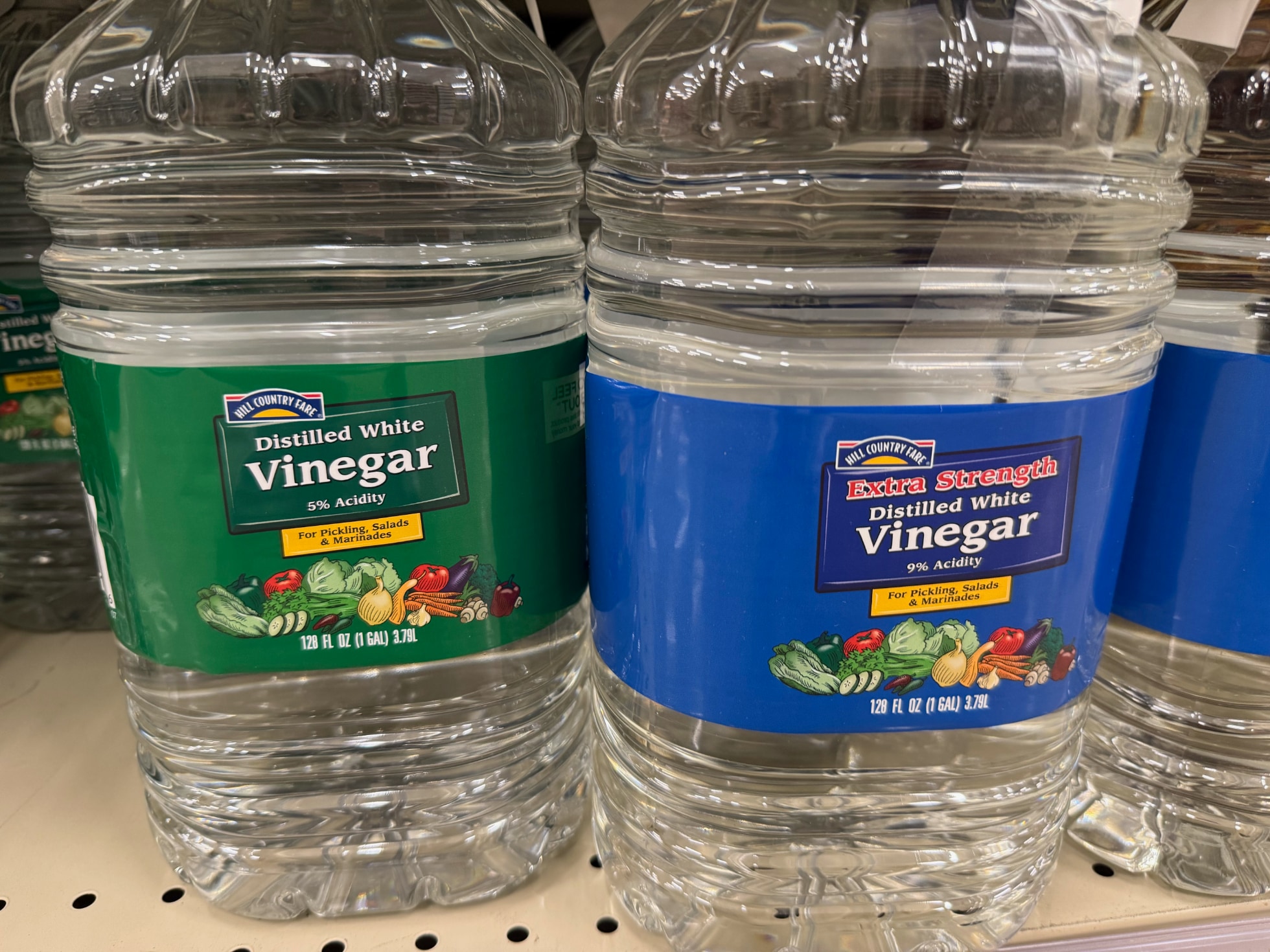
Apple cider vinegar (ACV) can be a miracle to help digestion, but is it for everyone? Its benefits go far beyond sugar (glucose) spikes and helping with digestion. That's why, in a weight loss journey, it might actually be your best friend. However for some it can cause an upset stomach —funnily enough, for me too! But it can still be used in many ways.
After a meal, ACV it can prevent small sugar spikes. Diluted vinegar, taken with or before a high-carb meal, does this by lowering the size of the glucose and insulin spikes, likely by slowing breakdown and absorption of starches. The effect shows up in small trials in healthy people and in type 2 diabetes, especially with high-GI meals. It's helpful for satiety, giving a fuller-for-longer feeling. By slowing carb absorption and gastric emptying a bit, some people feel fuller and snack less, but the effects are modest.
ACV may also increase fullness for some, which can indirectly help with weight control. However, weight‑loss effects seen in humans are modest, short‑term, and not a substitute for diet and activity fundamentals.
You can also use ACV for food safety and antimicrobial purposes. Acetic acid (the active acid in vinegar) can inhibit several food-borne pathogens. This is one reason that quick-pickles and vinegar dressings have a long culinary history.
But don't think it will sterilize your gut, because although it's really beneficial and popular for weight loss, ACV can actually make stomachs worse. Remember, it is acidic, so straight or strong ACV can aggravate heartburn/GERD and irritate the esophagus. Dental enamel erosion is also a documented risk with frequent acidic exposure (even when diluted). If you sip it, rinse your mouth with water afterward and avoid brushing for ~30 minutes to protect enamel.
ACV can also slow stomach emptying. In some people, especially those prone to gastroparesis or bloat, vinegar further delays gastric emptying — nausea, fullness, and reflux can all get worse. This was shown in a small study of people with type 1 diabetes and gastroparesis.
High intakes can cause electrolyte issues. Long-term heavy use has been linked in case reports to low potassium (hypokalemia) and bone issues. This is rare but real — reason enough to keep doses modest and avoid daily “shots.” So, if ACV bothers your stomach, skip it, there are other ways to blunt spikes that feel better.
But if it does agree with you, how can you best use ACV?
Take 1–2 teaspoons (5–10 mL) in a big glass of water with a meal, or as a dressing/marinade. There's no need to go higher, and avoid undiluted shots. Use a straw and rinse your mouth after to protect your teeth. The best timing is with or right before carb-heavy meals. The effects are smaller (or none) when meals are already slow-carb/high-fiber. If you're using insulin/secretagogues, diuretics, or ACE/ARB drugs, or you've had low potassium, talk to your clinician first.
Some quick recipes and alternatives:
For a classic “no-spike” salad dressing whisk 1 tbsp ACV and 2–3 tbsp olive oil with a pinch of salt/pepper and mustard. Toss with a handful of non-starchy veg before the rest of the meal. If sensitive, swap ACV for lemon juice — still acidic but often gentler.
For quick pickled cucumbers thinly slice cucumbers and red onion. Cover with a 1:1 mix of water and ACV, a little salt, optional dill. Chill 30–60 min. Use a few forkfuls as a veggie starter.
For a savory vinegar-free breakfast template, take eggs or Greek yogurt plus sautéed greens, then toast or oats with nut butter. Protein and vegetables first, carbs last. This is the same “order of eating” benefit, so no vinegar needed.
For a warm ginger-citrus “starter”, as a gentler alternative, steep sliced ginger in hot water. Add lemon and a splash of rice vinegar, or skip acids entirely if you prefer. Eat a small veg side first. Rice vinegar is milder than ACV, if you'd like to try that.
And finally, a 10-minute after-meal walk is the most effective and stomach-friendly thing that you can do! It helps lower post-meal glucose by improving digestion and muscle uptake of nutrients, a great alternative when acid bothers you.
So if you have sensitivity such as active reflux, gastroparesis, recurrent low potassium, or ACV just makes you feel lousy — then always dilute, remember to protect your teeth, and keep amounts small. If you're on glucose-lowering medications and/or supplements, be extra careful before adding ACV routinely.
Use ACV as a culinary tool with small, situational metabolic benefits. But if it doesn't agree with you, you won't miss out — fiber‑first plates and a short post‑meal walk deliver most of the same upside, minus the burn.
References:
National Library of Medicine. “Vinegar supplementation lowers glucose and insulin responses and increases satiety after a bread meal in healthy subjects”. https://pubmed.ncbi.nlm.nih.gov/16015276/
National Library of Medicine. “Antibacterial action of vinegar against food-borne pathogenic bacteria including Escherichia coli O157:H7”. https://pubmed.ncbi.nlm.nih.gov/9713753/
National Library of Medicine. “In vitro study on dental erosion caused by different vinegar varieties using an electron microprobe”. https://pubmed.ncbi.nlm.nih.gov/24839821/
National Library of Medicine. “Hypokalemia, hyperreninemia and osteoporosis in a patient ingesting large amounts of cider vinegar”. https://pubmed.ncbi.nlm.nih.gov/9736833/
National Library of Medicine. “Vinegar reduces postprandial hyperglycaemia in patients with type II diabetes when added to a high, but not to a low, glycaemic index meal”. https://pubmed.ncbi.nlm.nih.gov/20502468/
National Library of Medicine. “Effect of apple cider vinegar on delayed gastric emptying in patients with type 1 diabetes mellitus: a pilot study”. https://pubmed.ncbi.nlm.nih.gov/18093343/
National Library of Medicine. “Evidence That Daily Vinegar Ingestion May Contribute to Erosive Tooth Wear in Adults”. https://pubmed.ncbi.nlm.nih.gov/33297831/
Harvard Health. “Does apple cider vinegar have any proven health benefits?”. https://www.health.harvard.edu/staying-healthy/does-apple-cider-vinegar-have-any-proven-health-benefits?
VeryWell Health. “6 Medications That May Not Mix Well With Apple Cider Vinegar”. https://www.verywellhealth.com/what-medications-does-apple-cider-vinegar-interfere-with-11822394?
The Nutrition Source. “Vinegar”. https://nutritionsource.hsph.harvard.edu/food-features/vinegar/?