What soda really does to your body
Almost everyone knows that we shouldn't drink too much sugary drinks, but most of us still drink them anyway.
I know they taste good and sweet, and yes, they're addictive too. It's not your fault that you like them!
But just one soda a day, even diet soda, will increase your risk of diabetes and cardiovascular disease by almost 50%.
There is some good news: research is showing that more and more people are understanding the risks, and quitting drinking soda. But there's bad news too. Studies are also proving a direct relationship with soda and obesity, type 2 diabetes and tooth decay.
Did you ever wonder what goes on in your body after you drink soda?
Within 20 minutes your blood sugar has increased, insulin is released and your liver starts turning the excess sugar into body fat.
Within 40 minutes your body has absorbed the caffeine and increased your blood pressure.
After 45 minutes your body has increased the production of dopamine which stimulates the pleasure centers of your brain. This is what makes you want to keep drinking: the pleasure is addictive.
And 1 hour after you drink soda it's phosphoric acid has started holding the calcium, magnesium and zinc in your intestines, which will cause problems for your digestion. The high dose of sugar and artificial sweeteners will also increase the diuretic effect and remove calcium.
And after that comes the sugar crash. Your energy drops, you start craving more, so you drink another one!
I already mentioned in several of my articles that adult women need around 6 teaspoons (or 24g) of added sugar each day, and men need 9 teaspoons (35g). 1 teaspoon is equal to 4g sugar.
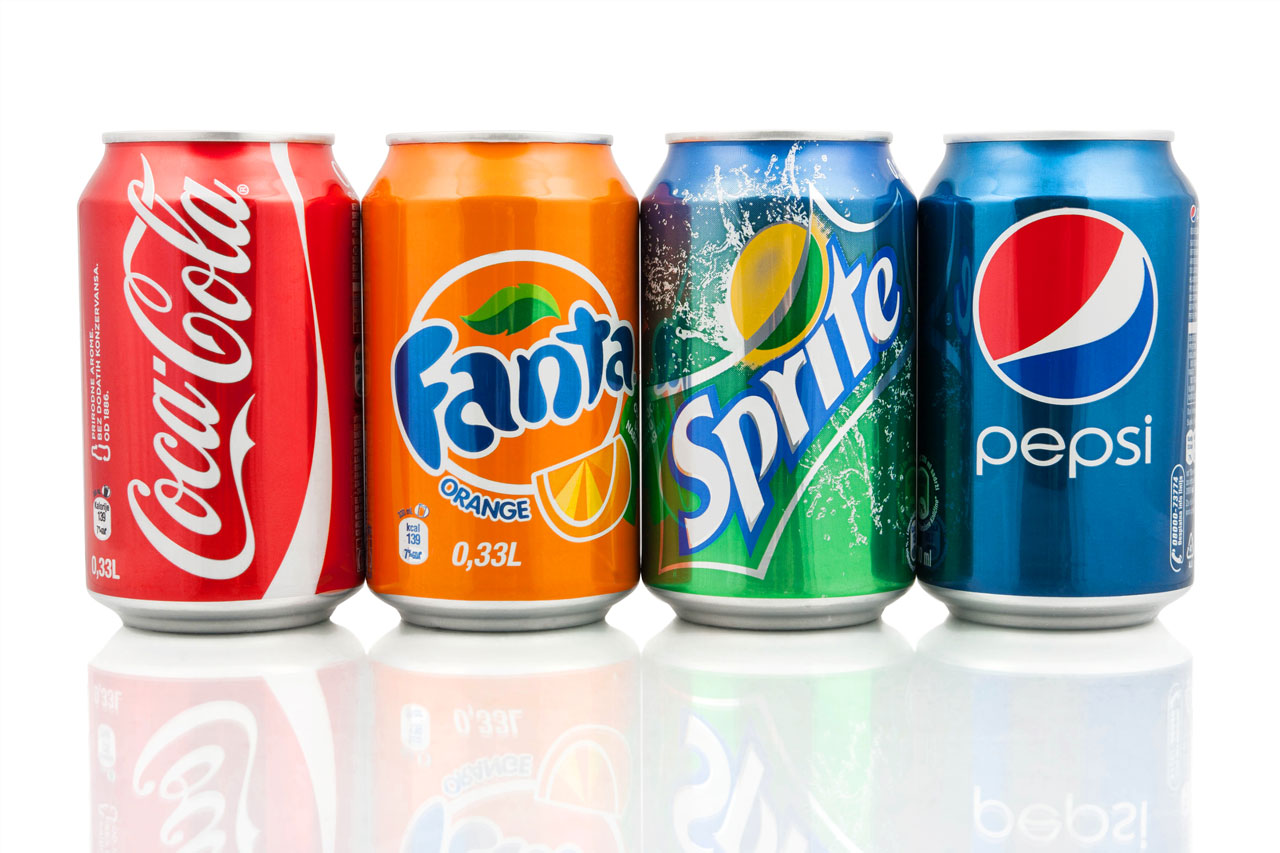
So let's look at how much we are drinking. This is what's in the normal sized (small) cans:
- Coca cola: 8.25 teaspoons sugar
- Pepsi: 8.75 teaspoons sugar
- Sprite: 8.25 teaspoons sugar
- Mountain Dew: 11.5 teaspoons sugar
- Mango: 3.2 teaspoons per 100g
- Apple Banana: 2 teaspoons per 100g
- Pineapple: 2.5 teaspoons per 100g