Is a low-carb lifestyle for everyone?
When we want to lose weight, most likely we'll first cut things like sugar, bread, pasta — basically, all carbohydrate rich foods. That's because we know that when we consume them it's hard to control ourselves to not eat more, or too often. They all have strong effects on our blood sugar levels, and when the blood sugars increase the pancreas secretes a hormone called insulin to reduce blood sugar levels. If we repeat this process too often then the body can become insulin resistant, which can cause many complications, such as type 2 diabetes.
So... we actually all know that reducing carbohydrates in our diet is beneficial. Unless you are an elite level athlete, or you're practicing high intensity exercises on a regular basis, you really don't need to consume too many carbohydrates. In fact, the body does not require carbohydrates at all to survive. We like them because they are tasty and they make us happy by lighting up the hypothalamus (the reward center in the brain).
Human bodies are really well adapted to consuming anything, so matter what we choose to eat the body will find a way to use it as an energy source. The question then is what quality fuel sources would you like to use? What are the best fuel sources for our body? Our body wishes only to stay in homeostasis, with everything in balance and a healthy body. If the body does not have dis-ease, then it is at ease, and that's what it wants.
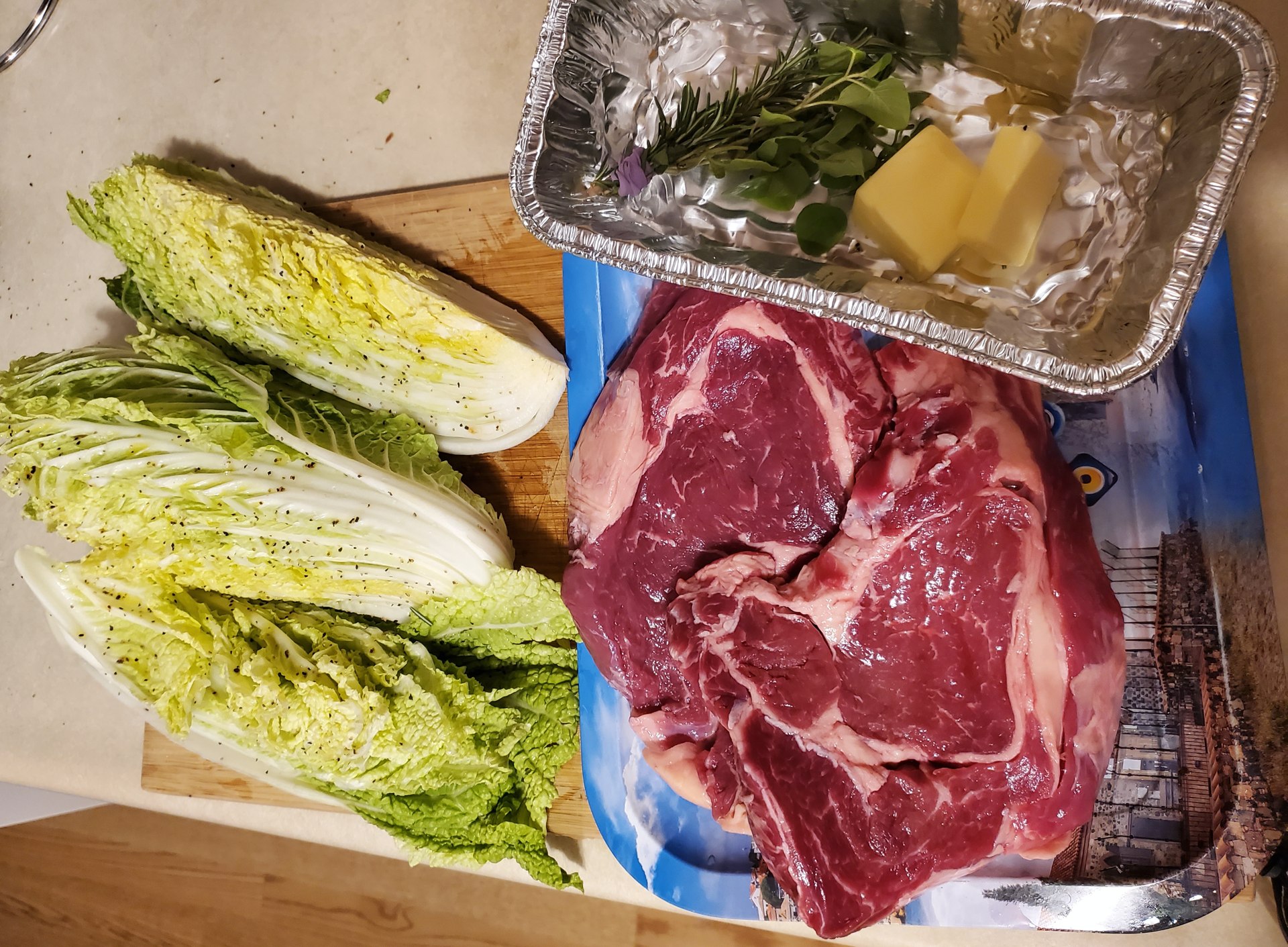
The best foods for us to eat contain no additional ingredients, they are just single ingredient foods such as whole fruits, meat, eggs, chicken, avocado, fish, olives, squash... I think you got the idea!
Here are some tips to start a low-carb lifestyle:
- Cook at home rather than eating out or getting takeouts
- Shop outside of the super market
- Buy seasonal food, if possible that has been produced locally
- Choose organically grown food as much as possible
- Eat more healthy fats, such as real butter, avocados, lard, or macadamia nuts
- Eat more protein
- Add salt to your food
- Drink lots of water
- Don't eat too often, allow at least 5 or 6 hours between meals for your body to recover
Most importantly, keep it simple. If it's easy, you will keep doing it, so start simple and take it just one day at a time. If you get off track then learn what you can change to avoid it from happening again. And if it does happen sometimes, so what? Keep going one day a time, you will get there and each day will get easier...