Kauaʻi's “Real Food Reset”: What the New U.S. Dietary Guidelines Mean for Everyday Meals
Practical takeaways and simple swaps you can start this week.
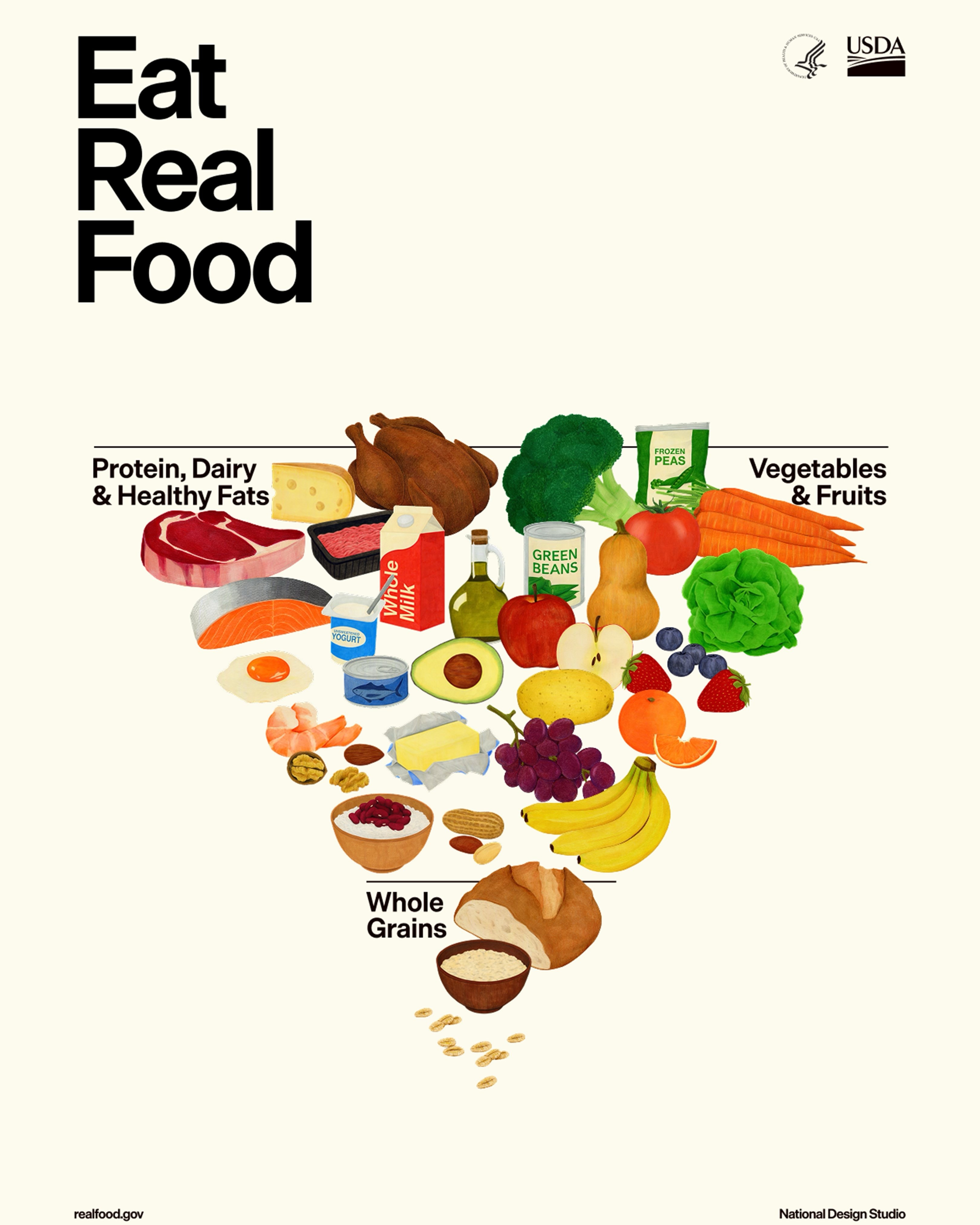
The federal government just released the Dietary Guidelines for Americans, 2025–2030, and for the first time in a long time the main message is short and simple — eat real food.
That doesn't mean perfection, dieting, or giving up local favorites. It means building most meals around whole or minimally processed foods—then using the “extras” (sweet drinks, packaged snacks, refined carbs) as occasional add-ons rather than everyday staples.
Below is a Kauaʻi-focused breakdown—plus practical examples you can picture in a real week of work, school, paddling, surfing, and family life.
1 — Start with protein at every meal (yes, every meal)
One of the biggest changes in the new guidelines is a clear protein target: 1.2–1.6 grams of protein per kilogram of body weight per day (roughly 0.5–0.7 g per pound).
The guidelines also emphasize variety: protein can come from eggs, poultry, seafood, red meat, and plant sources like beans, lentils, legumes, nuts, seeds, and soy.
Kauaʻi real-life examples:
- Breakfast: eggs + sautéed greens (or leftover fish) instead of a sweet pastry and coffee drink.
- Lunch: a plate-lunch-style meal, but make the protein the center: grilled fish/chicken + extra vegetables, smaller scoop of rice/mac.
- Dinner: stir-fry (or sheet pan) with chicken, tofu, or shrimp + mixed vegetables.
Simple method: aim for a “palm-sized” portion of protein at meals, then adjust based on hunger, training, and your personal needs.
2 — Choose cooking methods that keep food “real”
The guidelines specifically recommend swapping deep-fried foods for baked, broiled, roasted, stir-fried, or grilled options. For Kauaʻi that can mean that to go grilled or air-fried most days, and keep “fried” as a treat — like shave ice: enjoyed, not habitual.
3 — Dairy: full-fat is back, without added sugar
The new guidance says to choose full-fat dairy with no added sugars, and gives a general target of 3 servings per day as part of a 2,000-calorie pattern.
Practical Kauaʻi-friendly picks:
- Plain Greek yogurt + fruit (mango, banana)
- Milk with meals (especially for teens)
- Cottage cheese with sliced tomato, cucumber, or pineapple
If you don't do dairy, focus on protein + calcium sources you tolerate.
4 — Vegetables and fruits throughout the day
The guideline's simple targets for a 2,000-calorie pattern: 3 servings of vegetables and 2 servings of fruit per day. They also encourage frozen/canned options if they have no or very limited added sugars.
- Keep a “farmers market baseline”: pick two greens + two colorful items + one fruit each week, such as bok choy or kale + cucumbers; tomatoes or peppers; papaya or citrus—whatever looks good and affordable.
Easy add-ons
- Add greens to eggs
- Throw sliced fruit into your lunch bag
- Make “veg-first” snacks: carrots, cucumber, cherry tomatoes (with a simple dip)
5 — Whole grains are in—refined carbs move to the “reduce” list
The new guidelines still encourage whole grains but also say to significantly reduce refined carbohydrates like white bread, packaged breakfast options, flour tortillas, and crackers. Whole-grain target: 2–4 servings per day (depending on calorie needs).
Local-friendly “carb upgrades”:
- Choose brown rice, oats, or minimally processed starches like ʻuala (sweet potato), kalo (taro/poi), or ʻulu (breadfruit) when available.
- If you love rice keep it, but shrink the scoop and double the vegetables.
6 — Added sugar gets a hard ceiling per meal
This is one of the most concrete parts of the new guidelines:
- No amount of added sugars is recommended, and
- One meal should contain no more than 10 grams of added sugars.
- Avoid sugar-sweetened beverages like soda, fruit drinks, and energy drinks.
Kauaʻi “real life” examples
- Coffee drinks: ask for unsweetened (or “half sweet”), add cinnamon, and enjoy the flavor.
- Shave ice: keep it as a treat,“light syrup”, add fruit, and skip condensed milk.
- Juice: the guidelines suggest limiting 100% juice portions or diluting with water.
Label trick: scan for words ending in “-ose” (like dextrose) or ingredients containing “sugar” or “syrup.”
7 — Sodium: a limit, plus a note for sweaty island living
For ages 14+, the guideline is less than 2,300 mg sodium/day. But it also includes an important caveat: highly active individuals may benefit from increased sodium intake to offset sweat losses.
- If you're doing long hikes, paddling, or training in heat you may genuinely need electrolytes.
- But ßhighly processed foods high in sodium should be avoided—so try not to use “chips and instant noodles” as your electrolyte plan.
Better approach
- Most days: cook real food, season smart.
- Training days: add electrolytes intentionally (especially for long/hot sessions).
- If you have high blood pressure, kidney disease, or are on sodium-sensitive medications, check with your clinician before increasing sodium.
8 — Alcohol: “consume less”
Instead of focusing on a numeric daily “limit,” the new guideline simply says consume less alcohol for better overall health, and lists groups who should avoid alcohol entirely (including pregnancy and certain medications/conditions).
A Kauaʻi sample day: “real food” without being fancy:
Breakfast: 2 eggs + sautéed greens + fruit (papaya or banana)
Lunch: grilled fish/chicken/tofu bowl: greens + veggies + small scoop rice + avocado
Snack: plain yogurt + fruit or nuts + orange
Dinner: stir-fry: shrimp/tofu/chicken + mixed veggies + side of ʻuala
Drinks: water; unsweetened tea; coffee with little/no sugar
The bottom line of the new Dietary Guidelines is essentially a “back to basics” framework: protein + vegetables + fruit + whole-food carbs + simple fats, while cutting back on highly processed foods and added sugars.
If you do just three things this week, then
- Add protein to breakfast.
- Keep added sugar under 10g per meal (most people are shocked how fast it adds up).
- Build lunches and dinners around vegetables first, then choose your carb portion intentionally.
References:
U.S. Department of Health and Human Services (HHS) & U.S. Department of Agriculture (USDA). Dietary Guidelines for Americans, 2025–2030 (PDF). RealFood.gov. https://cdn.realfood.gov/DGA.pdf
HHS Press Office. (Jan 7, 2026). Kennedy, Rollins Unveil Historic Reset of U.S. Nutrition Policy, Put Real Food Back at Center of Health. https://www.hhs.gov/press-room/historic-reset-federal-nutrition-policy.html
RealFood.gov. Eat Real Food: Dietary Guidelines for Americans resources and “New Pyramid.” https://realfood.gov/
Associated Press. (Jan 7, 2026). New dietary guidelines urge Americans to avoid processed foods and added sugar. https://apnews.com/article/dietary-guidelines-health-agriculture-federal-nutrition-2d8fa56be3c5900fc45116af7c69d786