The Most Popular Weight Loss Tools
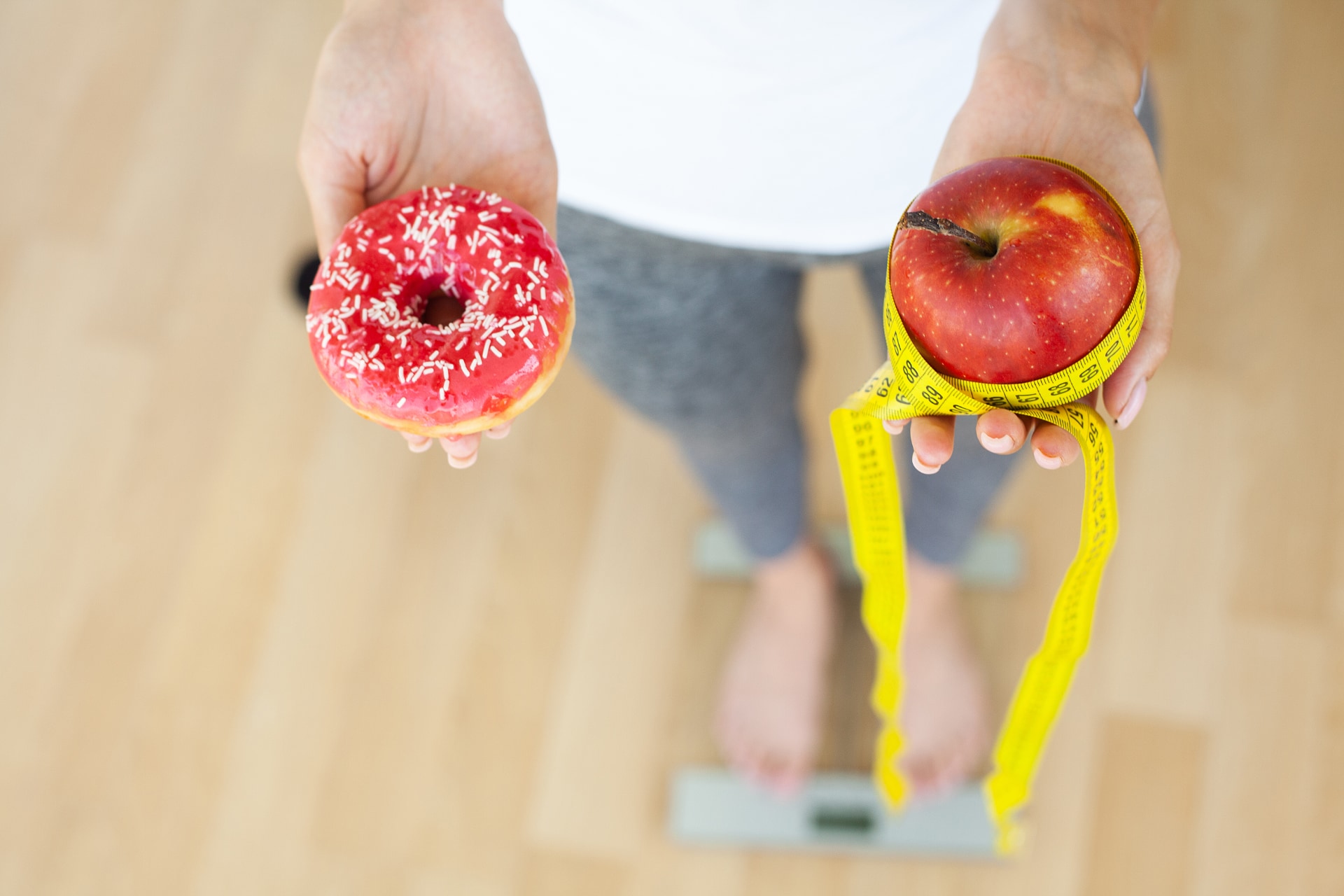
GLP-1's make healthy choices easier but your habits still make differences
Many people are seeing great results with a new kind of weight loss drug called “GLP-1” — or “glucagon-like peptides.” They mimic hormones to keep you fuller longer and also help control blood sugar. As a result, they prevent you from overeating.
Your doctor can decide if one of them is suitable for you and at which dosage. However, it's important to know what they are, how they work, and the potential side effects as well.
First, while they will make it easier for you to make healthier choices, it's important to understand that your lifestyle and eating habits still need to change if you're looking for long-term success. So you might want to go at a steady dose and still be mindful of things like keeping your protein high at meals, with two short lifts a week.
The most common are:
Semaglutide — GLP-1 only. Strong appetite and calorie control, slower stomach emptying, better post-meal glucose, cardio benefit in people with cardiovascular disease.
Tirzepatide — GIP + GLP-1 (dual). Adds GIP's insulin and fat (adipose)-tissue effects to GLP-1's reduced appetite, delayed emptying, and brain actions.
Retatrutide — GLP-1 + GIP + glucagon (triple; still in trials). GLP-1 and GIP manage appetite and insulin; the glucagon receptor adds a “thermogenic/energy-burn” effect too.
Because glucagon can raise heart rate and glucose output from the liver, the GLP-1/GIP balance is key and gives promising results so far, but it's still under study (not approved).
They are usually given with weekly injections, based on your doctor's recommended dosage, because natural GLP-1 is divided in 1–2 minutes by an enzyme called DPP-4. Medications like semaglutide are engineered to resist DPP-4 and “hide out” in the body longer (albumin binding, small structural tweaks), so you can dose once weekly with steady effect.
So how do they reduce appetite?
When you eat, cells in your lower small intestine and colon (called L-cells) release GLP-1. Think of GLP-1 as your body's “smart meal signal.” It coordinates several things
Beta cells: GLP-1 amplifies insulin release, but only when glucose is up (so it's low risk for dangerous lows on its own).
Alpha cells: GLP-1 turns down glucagon, which is a hunger hormone (the “raise my sugar” hormone), when glucose is high. When you're fasting/low, that brake eases off — another safety feature.
Stomach: GLP-1 tells the stomach to empty more slowly. That smooths the post-meal glucose rise and helps you feel satisfied on less food. The flip side: go too fast on doses and you can feel nauseous, full, reflux, or constipated.
Brain — GLP-1 receptors in the hypothalamus (appetite center) and brainstem help you feel satisfied and also lower signals to food-reward pathways, reducing cravings too.
Of course, like every medication, they also have side effects. The most common are nausea, vomiting, constipation/diarrhea, reflux, and belly discomfort, especially during dose increases. Side effects that are rare but important to note include gallbladder issues, pancreatitis, dehydration-related kidney problems. If you have diabetes, rapid glucose improvement can temporarily worsen diabetic retinopathy, so your eye doctor should follow you.
So can you regain weight if you stop taking the GLP-1's? The short answer is yes, unless there's a maintenance plan. Like every plan, medication may help you get healthier but… they don't replace the basics. So it's crucial to pair them with a healthy lifestyle. Here are some tips
Go slow + small: smaller portions, chew well, pause between bites.
Eat protein at each meal and/or use protein supplements to support muscle while appetite is low.
Consume fiber such as veggies, beans, oats, and plenty of fluids; add electrolytes, especially if you have bowel or stomach discomfort.
If you're nauseous try bland, low-fat foods such as ginger or peppermint tea. Don't force big salads or heavy meals on “off” days. And let your clinician know if nausea is persistent.
As always, movement is also critical so add a short but full-body strength training 2-3 times a week, and daily steps. Be careful with alcohol, especially since both pancreatitis and dehydration risks are higher during bad GI weeks.
GLP-1's are suitable for adults with BMI ≥30, or ≥27 with a weight-related condition (like sleep apnea, high blood pressure). They also show a cardiovascular risk-reduction indication for adults with established CVD.
Although they're pretty much everywhere, always decide with your clinician — your history, medication, and lab results matter.
References:
U.S. Food and Drug Administration. (2025, September 5). FDA's concerns with unapproved GLP-1 drugs used for weight loss. U.S. Food and Drug Administration. https://www.fda.gov/drugs/postmarket-drug-safety-information-patients-and-providers/fdas-concerns-unapproved-glp-1-drugs-used-weight-loss
Lincoff, A. Met al (2023). Semaglutide and cardiovascular outcomes in obesity without diabetes. The New England Journal of Medicine, 389(24), 2221-2232. https://doi.org/10.1056/NEJMoa2307563
The New England Journal of Medicine. (2024). https://www.nejm.org/doi/full/10.1056/NEJMoa2416394
The New England Journal of Medicine. (2023). https://www.nejm.org/doi/full/10.1056/NEJMoa2301972
Rubino, D. et al (2021). Effect of continued weekly subcutaneous semaglutide vs placebo on weight loss maintenance in adults with overweight or obesity: The STEP 4 randomized clinical trial. Journal of the American Medical Association, 325(14), 1414-1425. https://pubmed.ncbi.nlm.nih.gov/33755728/
American Society of Anesthesiologists. (2024, October). New multi-society GLP-1 guidance. American Society of Anesthesiologists. https://www.asahq.org/about-asa/newsroom/news-releases/2024/10/new-multi-society-glp-1-guidance
U.S. Food and Drug Administration. (2023, December 21). FDA warns consumers not to use counterfeit Ozempic (semaglutide) found in U.S. drug supply chain. U.S. Food and Drug Administration. https://www.fda.gov/drugs/drug-safety-and-availability/fda-warns-consumers-not-use-counterfeit-ozempic-semaglutide-found-us-drug-supply-chain
Harvard Health Publishing. (2023, June 30). GLP-1, diabetes, and weight-loss drugs: Side effects, Ozempic face, and more. Harvard Health. https://www.health.harvard.edu/staying-healthy/glp-1-diabetes-and-weight-loss-drug-side-effects-ozempic-face-and-more
GoodRx. (2023). GLP-1 side effects. GoodRx. https://www.goodrx.com/classes/glp-1-agonists/glp-1-side-effects
University of Chicago Medicine. (2023, October 17). Research on GLP-1 drugs. University of Chicago Medicine. https://www.uchicagomedicine.org/forefront/research-and-discoveries-articles/research-on-glp-1-drugs