
A miracle herb
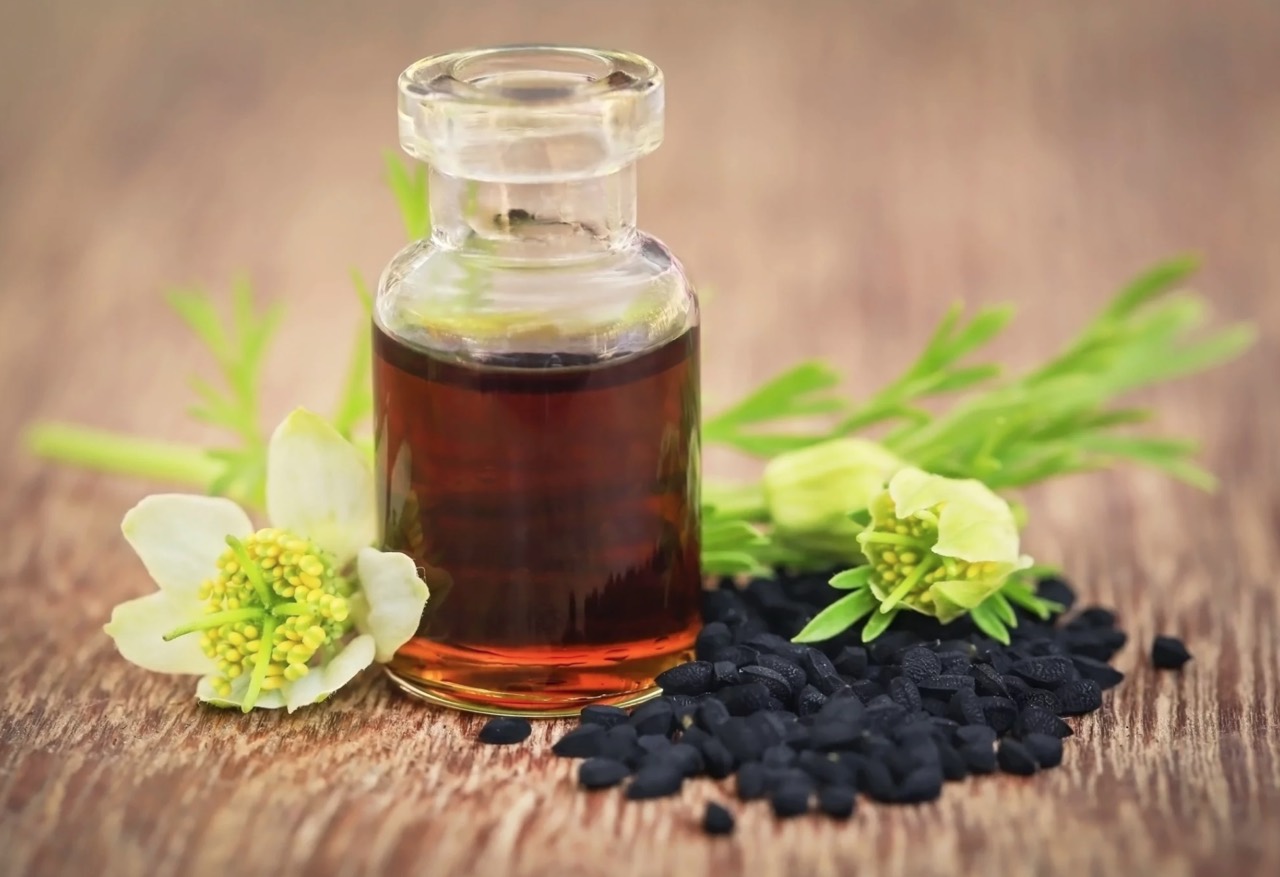
In my home country Turkey, where I grew up, this plant is everywhere. For a long time we’ve used it for cooking and for healing purposes. Actually I really like the smell too, especially if you make home made baked goods.
Nigella sativa is widely used as a medicinal plant throughout the world, and is especially popular in various traditional systems of medicine like Ayurveda and Siddha. It’s a flowering plant which can grow to between 20cm and 90cm tall, and the flowers are usually colored white, yellow, pink, pale blue and pale purple. It’s commonly known as fennel flower, black cumin, and black seed oil.
It has been widely used as antihypertensive, liver tonics, diuretics, digestive, anti-diarrheal, appetite stimulant, analgesics, anti-bacterial and for skin disorders. Extensive studies have been carried out by various researchers, and many of its pharmacological uses have been explored, including antidiabetic, anticancer, use as an immunomodulator, analgesic, antimicrobial, anti-inflammatory, spasmolytic, bronchodilator, hepatoprotective, renal protective, gastro-protective, and antioxidant properties.
Due to its miraculous power of healing, N. sativa is among the top ranked evidence based herbal medicines. Most of its therapeutic properties are due to the presence of thymoquinone, which is a major bioactive component of the essential oil. Thymoquinone appears to have anxiety reducing properties, and it is thought that this is secondary to a suppression of nitric oxide signaling in the brain, preserving the functions of GABA signaling.
Black seeds are used in food as a flavoring additive, especially in breads and pickles, because of its low level of toxicity. In addition, black seed oil can be used as a replacement for Tylenol for pain relief in Osteoarthritis — while many over-the-counter "pain killing" drugs, like Tylenol and Ibuprofen, have been found to serious side effects, some even life-threatening.
The use of herbal drugs as complementary medicine is gaining world wide popularity. Many drugs are derived directly from plants, while some are chemically modified natural products. The research articles published so far have confirmed the pharmacological potential of N. sativa seeds, its oil and extracts.
How do you use the black seeds?
You can add them to your smoothies, granola, sprinkle on your healthy home made bread or baked goods, and you can even use them to make herbal tea. Here’s a couple recipes:
Smoothie:
2 celery stalks, 2 kale leaves, cucumber, 1/2 avocado, 1/4 cup of gluten free oats, one handful each of spinach and parsley, 1 teaspoon black seed oil or 1 table spoon black seeds, 1 apple, 2 teaspoons chia or flax seeds.
Tea (to help with occasional constipation):
2 dried apricots, 2 dried plums, 1 dried fig, 1 small stick cinnamon, 1 teaspoon fennel seed, 1 teaspoon black seed oil or 1 table spoon black seed (freshly ground), 1 teaspoon apple cider vinegar. Add everything to 2 to 3 glasses of hot water. Wait about 10 min before you drink. Enjoy!
Resources:
1- https://www.ncbi.nlm.nih.gov/pmc/articles/PMC3642442/
2- https://examine.com/supplements/nigella-sativa/
3- https://www.ncbi.nlm.nih.gov/pubmed/22911452
4- http://www.greenmedinfo.com/substance/nigella-sativa-aka-black-seed
5- http://www.greenmedinfo.com/blog/topical-black-seed-oil-beats-tylenol-pain-relief-osteoarthritis