Why do we have drugs for Binge Eating?
By
Ayda Page
June 8th 2015
4 minutes read
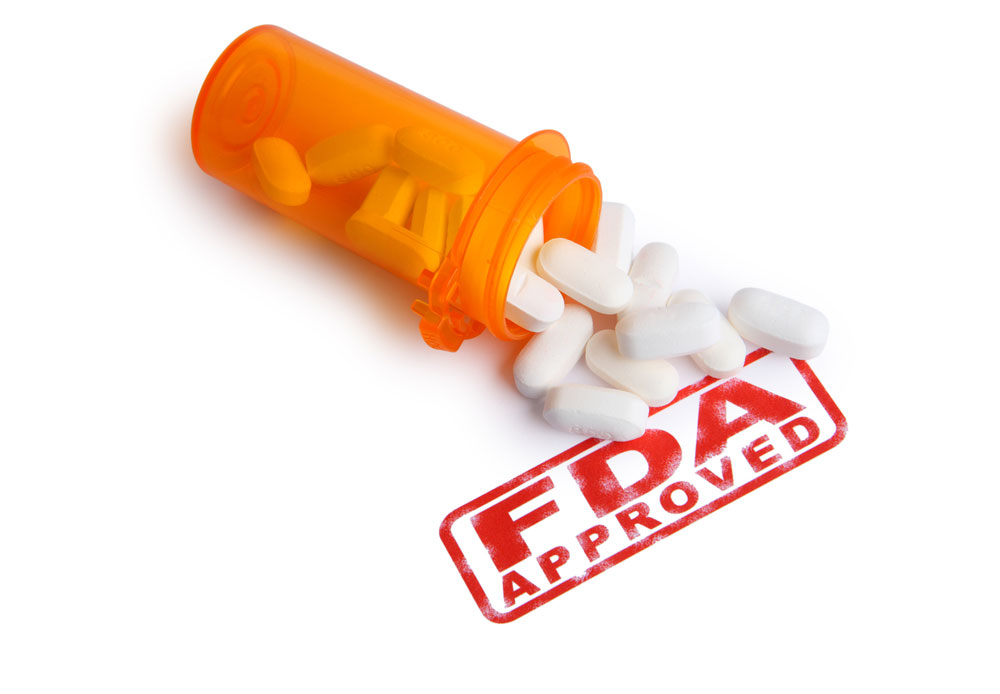
In January the U.S. Food and Drug Administration (FDA) approved a drug called “Vyvanse” for binge-eating disorder.
What is binge-eating disorder (BED), and why should we be concerned about this new drug?
BED is an eating pattern in which the person is unable to control their eating. During binge-eating large amounts of food are consumed, often in secrecy, and often leading to feelings of shame and guilt. BED is a dangerously common problem in the US, affecting an estimated 2.8 million people - that's one in every 35 adults. Often people suffering from BED also suffer from emotional eating problems and depression.
Research shows that antidepressant drugs may help people with binge-eating disorder. Studies also show, however, that there is a very high relapse rate once the drugs are discontinued.
So can this new drug - or any drugs - solve the problem in the long term?
We have drugs for almost every problem. But before reaching for drugs we should learn the real reasons behind the problems we're having, and understand the barriers that are keeping us from changing.
Yes, drugs may help in the short term, but the most effective treatment should be working with an experienced therapist and educating ourselves about the correct nutrition.
A recent study in the American Journal of Nutrition showed that the most effective way to treat BED is a combination of health education and psychotherapy program. Focusing on healthy eating habits, exercise, a happy environment and a smile are more effective treatments than many drugs!
But my other concern is how drugs like Vyvanse - that was actually first approved in 2007 for attention deficit hyperactivity disorder (ADHD) - can really help patients when many of the long term results are still unknown.
They don't even have a real explanation on the official page. Yes, they carried out studies, but they were not independent and peer-reviewed, they were funded by the company that makes the drugs and conducted on just 724 people.
So how can the FDA approve a drug, that can potentially be offered to treat several million people in the US, when it has been tested on just 724 people in studies funded entirely by the manufacturer of the drugs? !
Lets take a look now at some of the common side effects. They list increased heart rate, dry mouth, constipation, trouble sleeping, decreased appetite and anxiety. They go on to say that “some people had the following problems when they taking stimulate medicines such as Vyvanse: sudden death, psychiatric problems...”
It gets even scarier.
The FDA received more than 130 reports linking this drug with suicide. 37 of the people who took Vyvanse for ADHD and had contemplated suicide were under the age of 10. And even though the FDA believes that the drug is effective, they do not understand why it works. Sandy Walsh, from the FDA office of media affairs, wrote in an email “we have no direct evidence about how Vyvanse works in BED. The exact mechanism of action of the drug in reducing the symptoms of BED is ... unknown.”
Here's a real story from one of my clients. She was so excited to start her weight-loss program, although actually she didn't even need to lose very much weight. She told me everything was going well, but after a couple of weeks - when we weren't seeing the improvements that I was expecting - I started to ask her specific questions to find out what was happening.
It turns out that she was putting herself under enormous pressure with her diet, then she ended up binge-eating and feeling guilty. Of course she was so anxious, and she was blaming herself. She was going to the gym for extra cardio sessions, just to make herself feel good again.
And the reason she was putting so much pressure on herself? She was planning to go on holiday, and she wanted to look good in front of her friends. That was her motivation for weight loss - she wasn't thinking about herself, or about being healthy.
Does that sound familiar? We all think this way sometimes, and we really forget our priorities. Most of the time we are not aware what we are doing to ourselves.
If you are trying to lose weight, or change your eating patterns, are you mindful about the real reasons why you're doing it?
So what can you do?
If you're struggling with an eating disorder then don't try to cover the problem with drugs. We call healthy eating “alternative medicine”, but it should not be an alternative! It should be our first choice.
I suggest that first you talk to your doctor or therapist, and you ask what you can do without medications. Do your own research - read, ask, and question everything until you really feel satisfied with the answers.
A great place to start is www.nationaleatingdisorders.org where you can get free help and support and lots of great advice.
And of course BED is connected deeply with your mind, so even just 10 minutes meditation a day can make an enormous difference.
Try to be mindful of the choices you are making, you are always living the life that YOU create. Happiness and health belong together.