
Giving thanks everyday
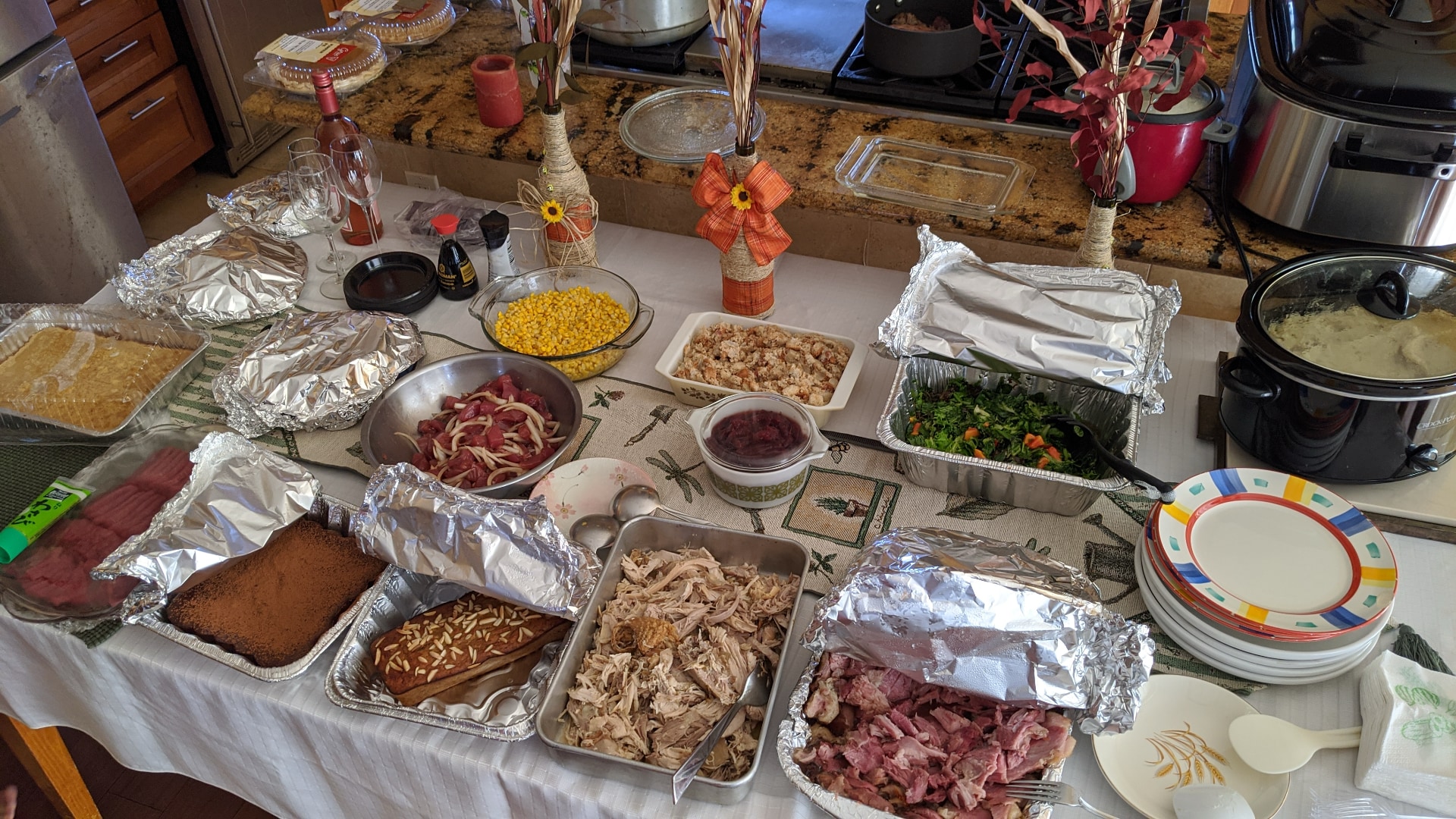
One more year, one more Thanksgiving celebration… Most of us celebrate with our Ohana and friends, hopefully with lots of laughing, enjoying delicious foods and remembering other people who need some love and food. Even though you probably know already, we don't need to wait for once a year to be grateful.
A moment for gratitude, Thanksgiving is often described as one simple story, but the history is more complex. Harvest and gratitude observances in 17th-century New England gradually evolved into wider regional traditions and in 1863, during the Civil War, President Abraham Lincoln proclaimed a national day of Thanksgiving. Today, many families also choose to acknowledge Indigenous perspectives, learn about local history, and pair gratitude with giving supporting food drives, kupuna programs, or community organizations.
Do you know what is gratitude and thankfulness? The English word “gratitude” comes from the Latin gratitūdō, built from grātus = pleasing, thankful, agreeable. That same Latin root shows up in words like grace, gracious, and gratitude, all circling around the idea of something pleasing, kind, or given as a favor. It's a deep feeling of appreciation for something good that you've received.
The word “thankful” grew from Old English and literally means to feel and express thanks, or simply to recognize that something good happened that you didn't have total control over, and that you are full of appreciative thoughts for.
In Hawaiian, Mahalo can include a sense of gratitude, respect, admiration, and praise. When we say “mahalo nui” or “mahalo nui loa,” we're offering deep, heartfelt thanks. Gratitude is not just something we feel or say, it's something we live. We show it by mālama caring for ohana, neighbors, and āina. In that sense, gratitude and mahalo meet in the same place — noticing the good we've been given, and then responding with care, kindness, and responsibility in return.
Why did I want to describe those words? Because a simple conversation such as “who helped make it possible for us to be here today”, and “how can we give back” can be very powerful.
How about a fun part. During Thanksgiving dinner most of us forget what we are even celebrating. Especially if you have a full house and full schedules, maybe last-minute shops and family flying in from off-island, it's easy to arrive at the meal already tired and stressed. And of course, after all of the delicious foods and drinks we wake up on Friday feeling heavy, bloated and a little regretful. Is this supposed to be happening? I think yes — because if we're already paying attention to our eating habits and making conscious decisions then we likely would not over eat.
Here are a few simple choices that might help to not over eat too much, so that instead of regret you can feel clear headed and energized the next morning. The first step is to eat your protein first! Then, aim for about half of your plate from vegetables and fruits — salads, green beans, roasted veggies, ‘uala, fresh fruit. Use the remaining space, after protein and veggies and fruit, for one or two starch sides that you really enjoy like rice and mashed potatoes with a small spoon of gravy or butter on top. But keep those portions a little smaller, not all over the plate. For dessert, choose one dessert and eat it slowly and really enjoy and savor it.
If you do feel you ate too much then the next day make sure to consume high protein at breakfast – eggs, Greek yogurt, cottage cheese, or leftover turkey with fruit to steady your appetite later.
Try to avoid snacking, make a decision on a snack window such as no more snacking after 3 pm. Hydrating during the day, especially in our warm, humid climate, will also help with headaches and sleep that night.
Movement can help your mind and support making correct choices. You don't need to spare hours, just going for 20-30 minutes walk, ideally in the morning, can be a huge help. Or maybe playing with the kids or grandkids too. If you able to, then after dinner take a 10-minute walk before dishes or dessert. Short walks after meals help with blood sugar and can improve sleep.
If it's pouring rain, do a short, gentle mobility routine in the living room — a few bodyweight squats, hip circles, cat-cow, and a few easy push-ups on the counter.
This can improve sleep, which is our recovery time.
Many people stay up late on their phones or in front of the TV after a big meal. That combination of heavy food, extra sugar, alcohol and bright screens can disturb your sleep. So try to finish eating at least two hours before bed when you can.
Lastly, leftovers are one of the best parts of Thanksgiving, and you can make a high protein soup with turkey, vegetables and broth. Build sandwiches or rice bowls with a fist-sized portion of protein, plenty of veggies or potatoes. Freeze extra desserts and side dishes in single-portion containers. That way, you have future treats instead of forcing yourself to“finish the pan”. Also, you can share portions with your guests, one of the kindest ways to avoid overeating for three days straight.
Remember, gratitude does not come from looking around us and feeling better in comparison to others, it should come inside us. It can be very powerful however, we should not wait until we need it to use it.
References:
- National Archives—Lincoln's 1863 Proclamation: https://www.archives.gov/legislative/features/thanksgiving
- CDC—Holiday health tips: https://www.cdc.gov/healthyweight/healthy_eating/holidays.html
- U.S. Physical Activity Guidelines: https://health.gov/sites/default/files/2019-09/Physical_Activity_Guidelines_2nd_edition.pdf