How to naturally reduce and heal lower back pain
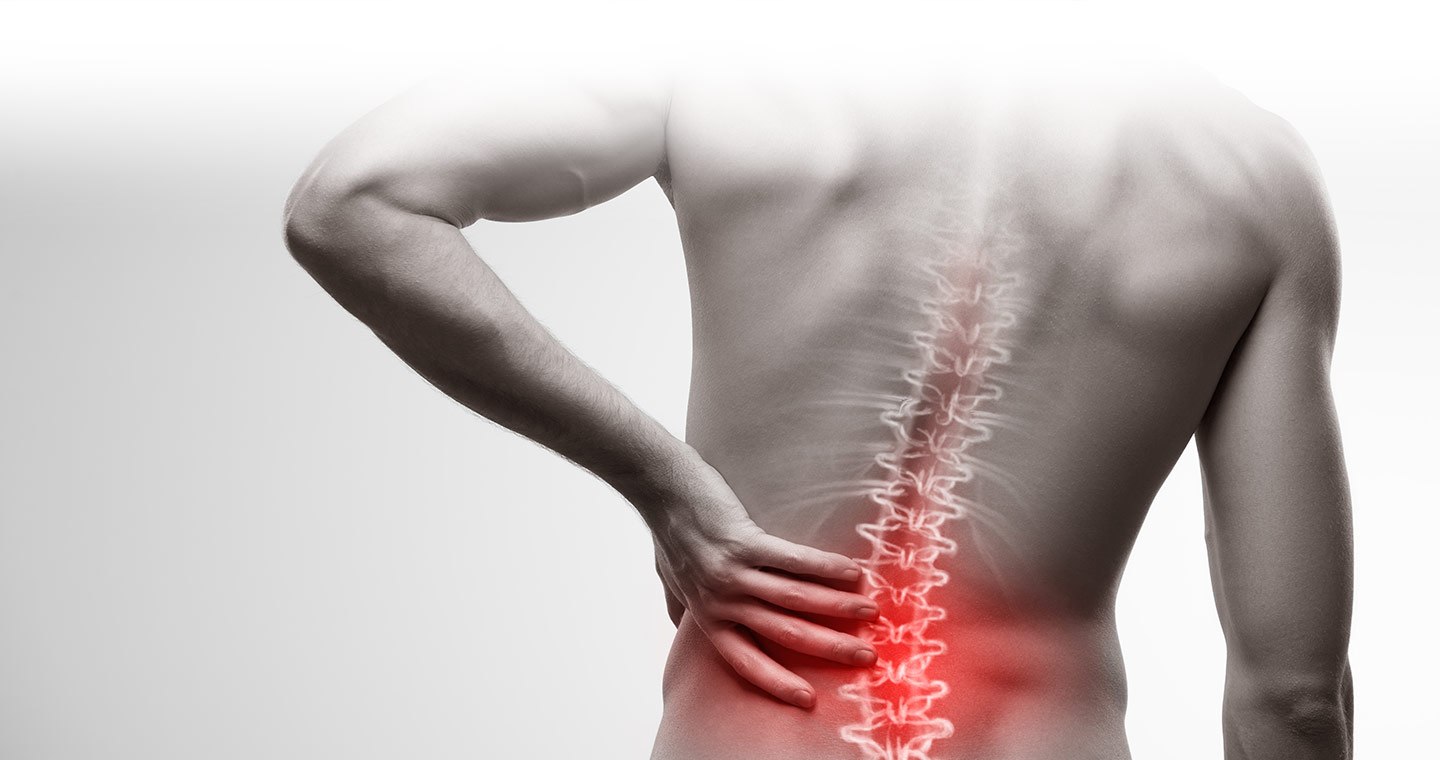
Lower back pain is unfortunately a very common health issue. It is also multifactorial, which means that finding the real cause can be very challenging, which of course will also affect and often delay treatment. Studies show that up to 85% of adults have experienced lower back pain, with an estimated 7.5% of the population currently struggling with it. This leads to activity limitation, even disabilities, as well as missed work days and rising health care costs. In 2016/2017 it was estimated that 577 million people across the world were affected, incurring a total of around 135 billion in costs. Yet it seems almost like a silent problem, because although it is very common most of us think it’s just a normal pain to have. It could, however, be a signal for other serious health conditions and should therefore always be treated seriously.
Some of the things that can cause low back pain include psychosocial stress, inflammation, poor general health, sciatica, osteoporotic vertebral fractures as well as simply over use, for example from a specific type of work, sitting or standing for long periods of time, excess body weight, older age and genetics. The spinal anatomy can also cause low back pain when the shape of the spine curves backward (lordosis) or forward (kyphosis).
The Global Burden of Disease studies have defined low back pain as pain that lasts for at least one day. If the pain goes on to last less than 4 weeks it will be labeled as acute, if it lasts from 4 to 12 weeks it will be labeled sub-acute, and if it continues beyond 12 weeks then it will be labeled as chronic.
Due to many possible causes of low back pain it is very important to correctly identify the type of pain. If it is sharp, deep and achy or involves stiffness then it is generally considered to be more likely nociceptive. If you have burning, shooting or buzzing pain it is more likely neurogenic. Identifying this will help your physician or physiotherapist choose the best treatment for you. It is also important to note when you feel the most pain, for example when you first wake up, or when you bend forward, sit or stand.
Over the counter muscle relaxants can offer temporary relief, but it’s not advisable to simply take these without knowing the real cause of the pain. The best approach would be to be as aware as you can and to take notes with as many details as possible before seeking help. Often lifestyle changes, for example losing weight if you need to, can have an enormous effect. There are also many exercises that will help, especially those that involve strengthening the core. Your core muscles are not only the abdomen, they also include the erector spine, psoas, latissimus dorsi, transverse abdominals, glutes muscles, quadrates lumborum, and external obliques which all provide stability to the spinal column and allow our dynamic motion.
Everyone’s pain, and the reasons behind it, can be different so it’s important that when doing the activity you always respect any pain that you feel and do not simply push through the pain.
Here are some of the exercises that you can do: bird dog, pelvic floor, clamshell, plank, side planks, spinal twist, side plank, hip flexor stretches, cat and cow yoga asana, and superman. You can find all of the exercises on YouTube. In addition, magnesium supplementation, getting enough sunshine and/or vitamin D supplementation and drinking clean water to stay well hydrated can all be helpful. But, as with so many things, keeping your body moving is the key to health.
References:
“Low back pain”; The Lancet; https://www.thelancet.com/journals/lancet/article/PIIS0140-6736(21)00733-9/fulltext
“Conservative Management of Low Back Pain”; UCTV; https://www.uctv.tv/shows/Conservative-Management-of-Low-Back-Pain-37507
“The Global Burden of Low Back Pain”; International Association for the Study of Pain; https://www.iasp-pain.org/resources/fact-sheets/the-global-burden-of-low-back-pain/