
Why Women Need More Than Cardio
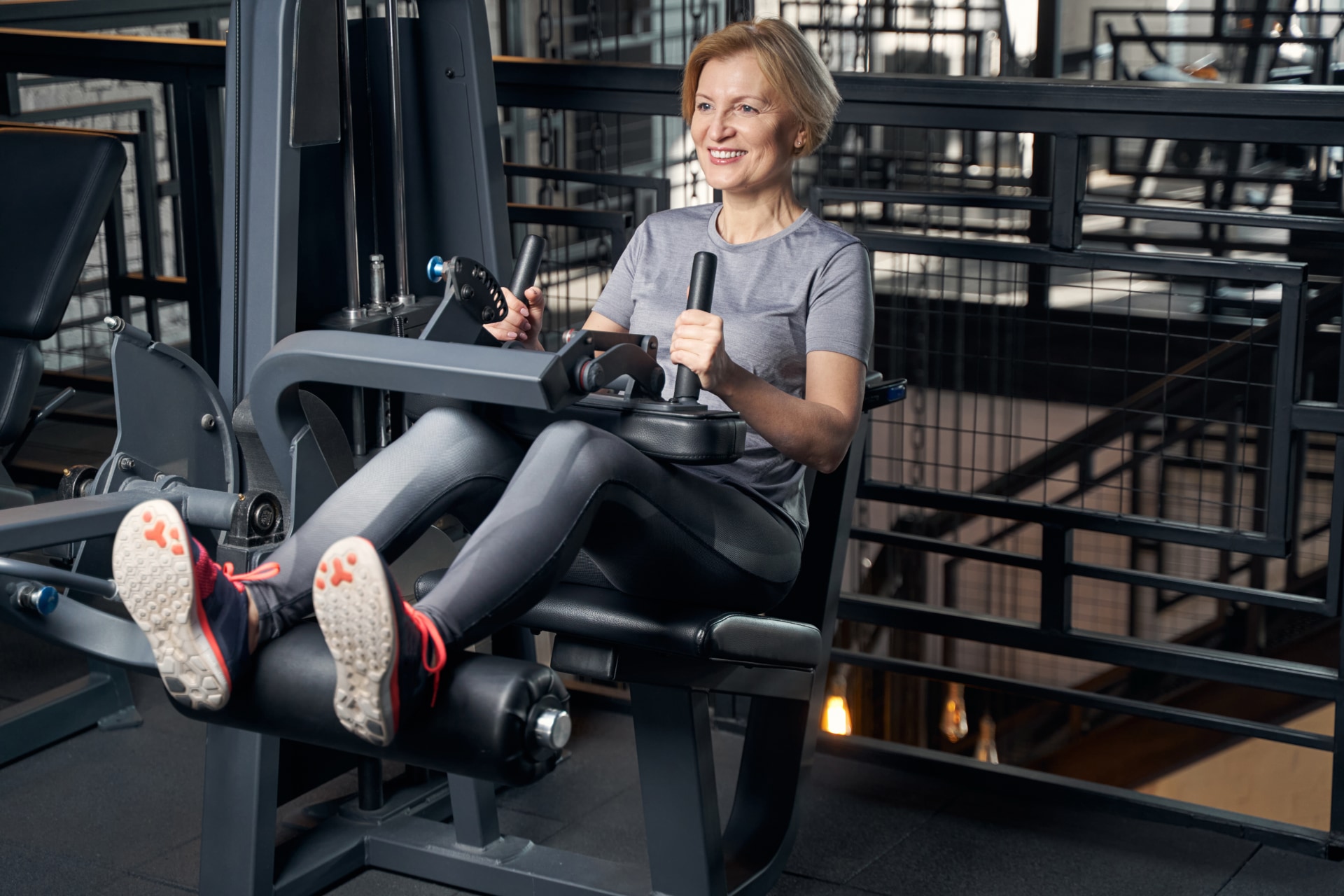
Strong, Not Smaller: Why Women Need More Than Cardio
How strength and hybrid training protect women's hormones, bones, mood, and long‑term health.
If you walk into most gyms or beach parks, you'll still see a familiar pattern: a lot of women on the treadmill or walking the path, and far fewer in the weight area picking up heavy things. For years, women were told to “tone,” do more cardio, and avoid getting too muscular. From a health perspective, that advice has not aged well.
We now have strong evidence that regular strength training plus some hybrid training that mixes strength and conditioning is one of the most powerful tools women have for long‑term health. This isn't just about aesthetics — it's about blood sugar, bones, hormones, mood, and being able to move confidently through life on years go by.
“Hybrid training” simply means combining resistance work (like squats, lunges, carries, pushing and pulling) with cardiovascular work (like running, hiking, rowing, or circuits). For women who want health, resilience, and energy, this is the ideal blend.
Skeletal muscle is a living metabolic organ. Women with more muscle mass tend to have better insulin sensitivity, a lower risk of type 2 diabetes, and a higher resting metabolic rate. In large population studies, adults who perform muscle‑strengthening activities at least twice per week have lower all‑cause mortality and fewer cardiovascular events, even after you account for how much cardio they do. Building and keeping muscle helps your body use carbohydrates more efficiently, supports a healthier body composition, and gives you more capacity for everyday life.
Bone health is another big reason women can't rely on walking alone. Women naturally have smaller bones than men and lose bone density faster, especially around menopause. Without regular loading, bones quietly become thinner and more fragile. The first warning sign is often a wrist, hip, or spine fracture from a simple fall The good news is that programs that combine resistance training with impact or higher‑velocity movements are particularly effective at maintaining or improving bone mineral density in pre‑ and post‑menopausal women.
Strength and hybrid training also interact with hormones and mood in powerful ways. Regular resistance and aerobic training improve insulin sensitivity and lower chronic inflammation, which both influence sex hormones and thyroid function. Many women also notice that consistent training helps with premenstrual mood symptoms, sleep, and stress management.
Resistance training is repeatedly associated too with reductions in depressive symptoms and anxiety, independent of changes in fitness or weight. Mechanisms include increases in brain‑derived neurotrophic factor (BDNF) and other brain‑supportive proteins, endorphin and endocannabinoid release, and improvements in self‑efficacy and body image. For women carrying a lot of responsibility, strength sessions can become structured “nervous system hygiene,” not just workouts.
So what happens if women avoid strength training altogether? Skipping strength work over the years increases the risk of sarcopenia (age‑related loss of muscle mass and strength), osteopenia or osteoporosis, type 2 diabetes, metabolic syndrome, and loss of functional independence. The mix of low muscle, low bone, and higher fat mass—sometimes called sarcopenic obesity—is associated with worse health outcomes than extra weight alone.
The good news is that you do not need a complicated routine to change this trajectory. For most women, and optimal activity plan might include strength training 2 days per week, and aerobic training 2–3 days per week. Strength sessions cover basic patterns like squat, hinge (deadlift/hip hinge), push (push‑up or press), pull (row), and carry, at an effort where the last couple of reps feel challenging but still technically clean. Aerobic training can be brisk walking on the path, easy jogging, hiking, paddling, or cycling for a total of a few hours per week at a pace where you can still talk in short sentences. An optional extra hybrid day can blends strength and conditioning, such as simple circuits or circuit training style station work, once you have a base of strength and aerobic fitness.
If you don't have so much free time, you might like to try this:
- Monday – Strength: goblet squats, hip hinges, rows, presses, and carries.
- Wednesday – Cardio: 30–40 minutes brisk walk or easy run.
- Friday – Strength: split squats, deadlifts or bridges, pull‑downs/rows, push‑ups, core.
- Saturday – Hybrid: short run/walk intervals with strength movements (for example 2 minutes run/walk, 10 squats, 10 rows, 10 presses, repeated for 20–25 minutes).
Training is only half of the equation. To build and protect muscle and bone, women also need adequate nutrition. I'll look at the role that nutrition plays in part 2 of this series.
Strong women change families and communities. As a new year rolls around, shifting the goal from “how do I get smaller?” to “how do I get stronger, more capable, and more alive in my body?” can be a radical act of self‑care. If you're not sure where to start, just pick one of the options that fits your schedule and availability, and most importantly be consistent. You may not see the results quickly but it will add up and your body and your family will thank you later.
References
Westcott WL. Resistance training is medicine: effects of strength training on health. Curr Sports Med Rep. 2012;11(4):209–16.
Bennie JA et al. Muscle‑strengthening activities and risk of all‑cause and cancer mortality: a systematic review and meta‑analysis. Am J Epidemiol. 2020;189(12):1256–75.
Kohrt WM et al. Physical activity and bone health in women. Med Sci Sports Exerc. 2004;36(11):1985–96.
Daly RM et al. Exercise for the prevention of osteoporosis in postmenopausal women: an evidence‑based guide to the optimal prescription. Braz J Phys Ther. 2014;18(6):441–54.
Gordon BR et al. Resistance exercise training for anxiety and depression: a systematic review and meta‑analysis. Sports Med. 2018;48(6):1221–32.
Srikanthan P, Karlamangla AS. Relative muscle mass is inversely associated with insulin resistance and prediabetes. J Clin Endocrinol Metab. 2011;96(9):2898–903.
Garber CE et al. American College of Sports Medicine position stand: quantity and quality of exercise for developing and maintaining cardiorespiratory, musculoskeletal, and neuromotor fitness in apparently healthy adults. Med Sci Sports Exerc. 2011;43(7):1334–59.
Mountjoy M et al. IOC consensus statement on relative energy deficiency in sport (RED‑S), 2018 update. Br J Sports Med. 2018;52(11):687–97.