
A New Fruit Wash Could Remove Pesticides and Slow Spoilage. Here's What You Need To Know.
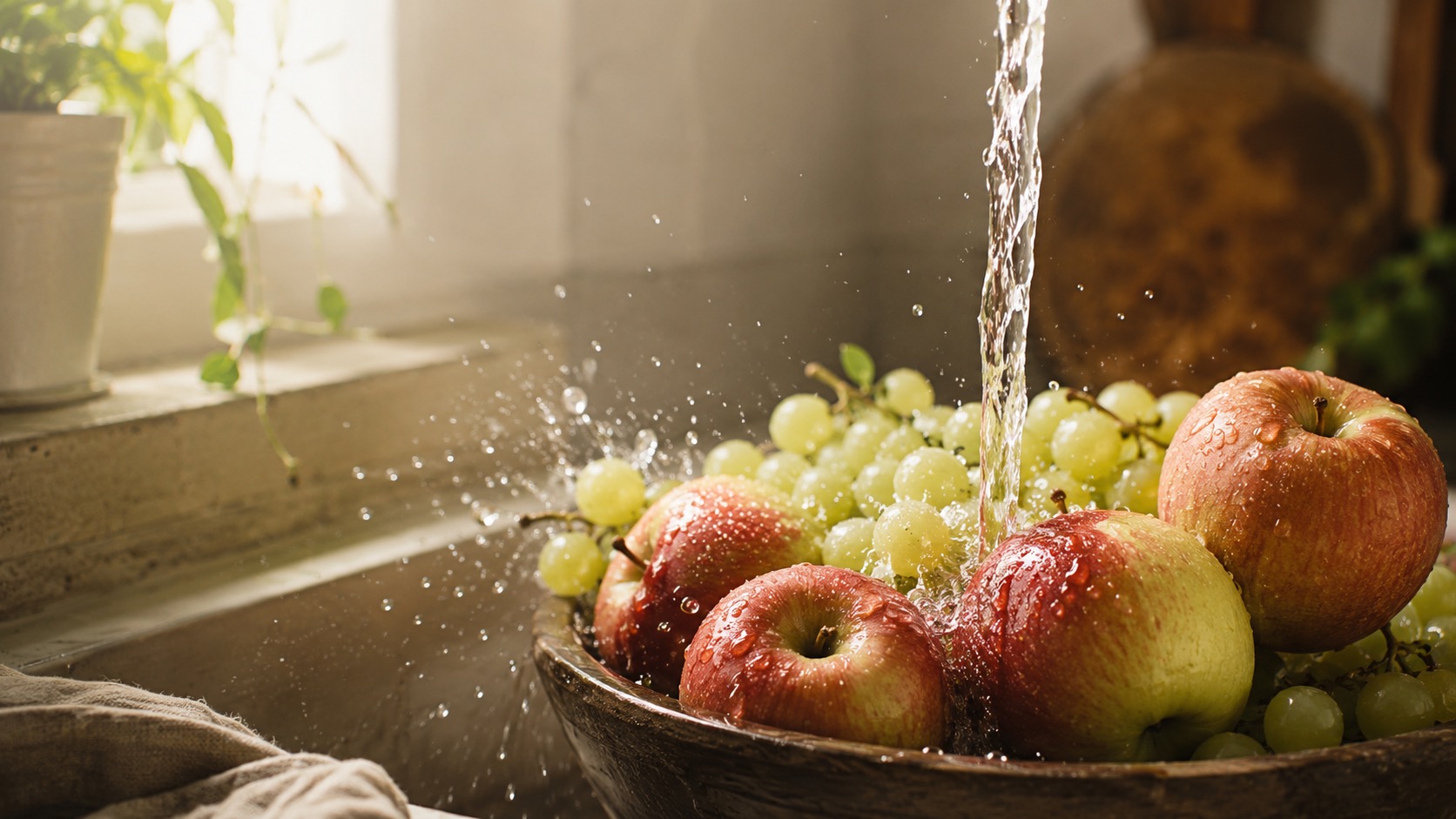
In the Hawaiian islands where groceries cost more and fresh produce matters, any idea that could make fruit safer and last longer is bound to get attention. In an interesting new study from the University of British Columbia, researchers developed a biodegradable fruit wash that, in controlled tests, removed a large share of measured pesticide residue from apples and also left behind a thin edible coating that helped fruit stay fresh longer.
The study, published in ACS Nano, is interesting because it tries to solve two problems at once: residue on produce and spoilage after harvest. In the lab, the wash outperformed tap water, baking soda, and plain starch in removing measured surface residue from treated apples. The same formula also reduced browning and moisture loss in grapes and fresh-cut apples.
That is the promise. Now, the biggest thing we should understand is the difference between surface residue and total residue. Surface residue is what sits on the outside of the fruit. Total residue includes what may have already moved past the skin and into the fruit itself. The new wash appears highly effective at removing much of the measured residue on the surface. But once a pesticide has penetrated into the fruit, washing has limits. That is not a flaw in this study, it is simply chemistry.
That also helps explain why different headlines give different percentages. You may see claims that the wash removed 86 percent, 94 percent, or even 96 percent of pesticides. Those figures are not necessarily contradictions. They reflect different pesticides and different ways of measuring residue. The important consumer takeaway is not one magic number. It is that the wash performed very well on measured surface residues, while total residue figures were lower once pesticide that had already moved deeper into the fruit was counted.
That point lines up with current public health advice. The EPA says washing and scrubbing produce under running water can help remove dirt, bacteria, and traces of chemicals from the surface, but not all pesticide residues can be removed by washing. The FDA also tells consumers to wash produce under running water and not to use soap, detergent, or commercial produce washes at home. Produce is porous, and those substances can be absorbed.
That makes this new UBC wash especially interesting, but also easy to overstate. It is not a kitchen hack and it is not something shoppers should try to re-create at home. At this point, it is still an early-stage post-harvest technology. That means the bigger immediate use would likely be in commercial fruit handling, where produce is already washed before it is packed and shipped.
The shelf-life side of the research may matter just as much as the pesticide story. When fruit spoils less quickly, families waste less food, stores can keep produce attractive for longer, and the supply chain gets a little more room to breathe. That matters everywhere, but especially when grocery prices are high and fresh food is expensive to replace. It also matters globally: FAO data show fruits and vegetables had the highest losses of any major commodity group in 2023.
The researchers created the wash using starch nanoparticles, iron, and tannic acid, a naturally occurring plant compound. After the fruit is dipped and dried, the solution acts like a very thin edible coating. That coating appears to help slow moisture loss and browning. In other words, this is not just a better rinse. It is more like a wash that becomes a protective layer.
Still, this is early-stage research with controlled tests on selected fruit under laboratory conditions. That is not the same as real-world produce moving through farms, trucks, store shelves, kitchen counters, and refrigerators. More testing, scale-up work, and regulatory review would all need to happen before anything like this became a standard commercial treatment, much less a home product.
So what should shoppers do right now? The advice is surprisingly familiar. Keep washing produce under clean running water. Rub or scrub firm produce like apples, cucumbers, and melons. Dry when appropriate. Wash produce before cutting it, even if you do not eat the peel, so dirt and bacteria are not dragged inside by the knife. And skip the soap, detergent, and DIY chemical rinses.
The bottom line is that this study is worth watching, but not because it changes what we should do in our kitchens right away. It matters because it points toward a smarter future for produce: one where a biodegradable wash could help fruit arrive cleaner, last longer, and be thrown away less often. That is a meaningful idea. For now, though, the best home advice remains the simple: running water, gentle friction, and realistic expectations.
References
- Jin T, et al. Dual-Function Metal–Phenolic Network-Capped Starch Nanoparticles for Postharvest Pesticide Removal and Produce Preservation. ACS Nano. Published online April 12, 2026. doi:10.1021/acsnano.5c20410.
- University of British Columbia News. New UBC wash removes pesticides and extends produce shelf life. April 13, 2026.
- U.S. Food and Drug Administration. Selecting and Serving Produce Safely. Updated March 5, 2024.
- U.S. Environmental Protection Agency. Pesticides and Food: Healthy, Sensible Food Practices. Updated July 24, 2025.
- Yang T, et al. Effectiveness of Commercial and Homemade Washing Agents in Removing Pesticide Residues on and in Apples. Journal of Agricultural and Food Chemistry. 2017.
- Food and Agriculture Organization of the United Nations. Global food losses (SDG 12.3.1.a). 2023 data.