
Can Your Fitness Tracker Help - or Harm?
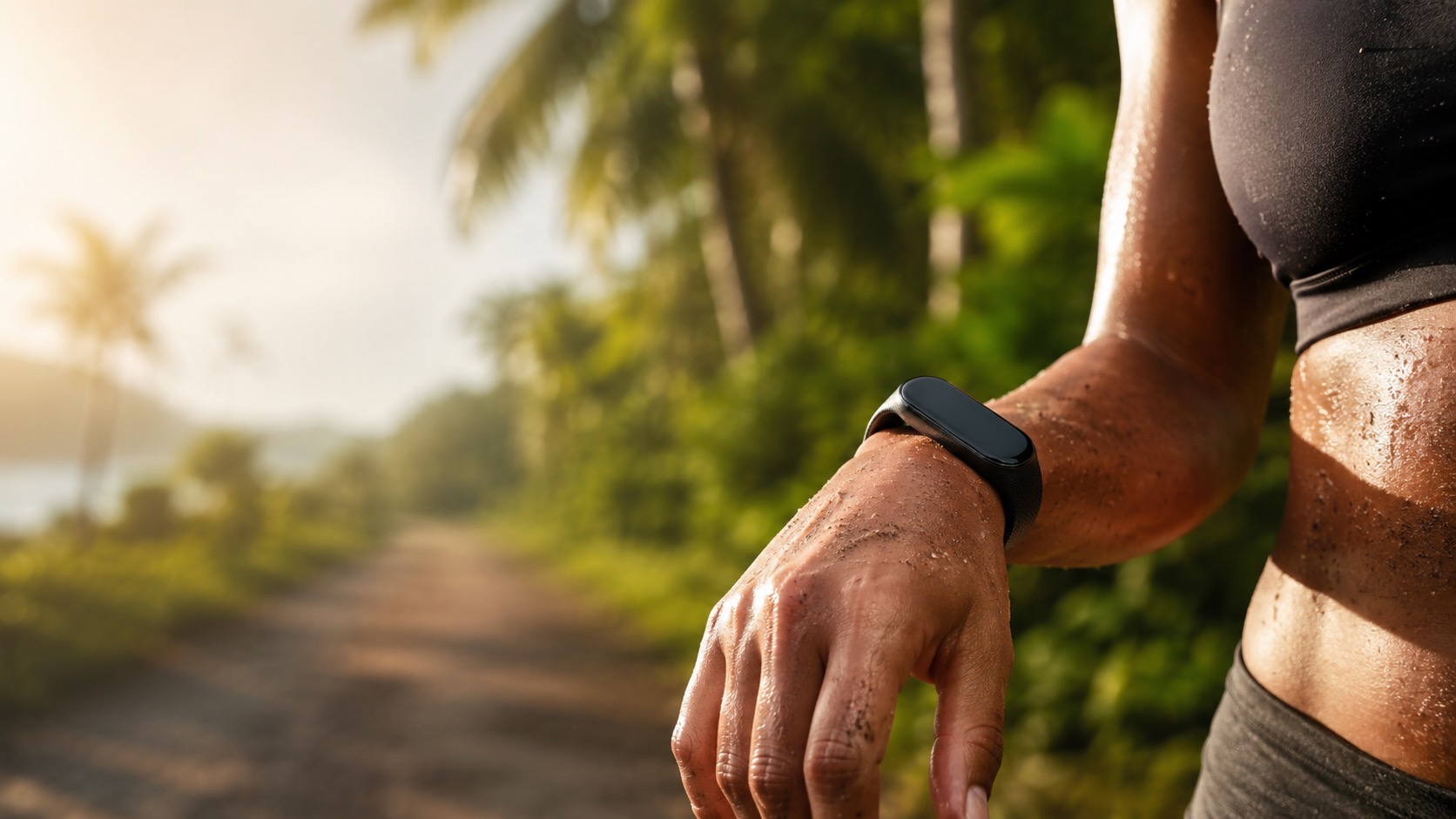
Wearable technology is one of the biggest fitness trends at the moment, and that is not surprising. Smartwatches, rings, heart rate monitors, sleep trackers, glucose sensors, and recovery scores promise something many people want —more insight, more control, and a clearer picture of what is going on inside the body.
Used well, these tools can be helpful. Used poorly, they can make people more anxious, more obsessive, and oddly less connected to how they actually feel.
That is why the better question is not whether wearables are good or bad. It is whether we know how to use them wisely.
The current interest in wearables is huge. American College of Sports Medicine’s 2026 fitness trends again highlight wearable technology and data-driven training, and the World Health Organization released a 2026 report focused on measuring physical activity with wearable technologies. In other words this is not just hype, professionals, researchers, and public health leaders are paying attention too.
And this does make sense. Wearables can capture useful information in real time or over time. Steps, heart rate, sleep duration, heart rate variability, pace, training load, movement patterns. Sometimes temperature, stress signals, or blood glucose trends. All of this can help us notice patterns we would otherwise miss.
For example, a person may realize they are sleeping less than they thought. Another may notice their resting heart rate stays elevated after alcohol, illness, or poor recovery. Someone else may discover that their “active day” still included ten straight hours of sitting. Sometimes data tells the truth more clearly than memory does.
There is also evidence that wearables can support behavior change, especially when they help people increase physical activity. Reviews have found that wearable-based interventions can improve step counts and activity levels, particularly when paired with goals, feedback, and coaching. That is the key part many people miss: the device itself is not the solution. The behavior it helps reinforce is.
But the fact that these wearables are helpful does not mean they are perfect. One problem is false precision. A number can look exact while still being limited, estimated, or context-dependent. Sleep stages, calorie burn, readiness scores, and recovery percentages may feel authoritative, but they are not direct windows into the whole person. They are models — some useful, some very rough, and none of them replaces clinical judgment or self-awareness.
Another problem is over-identification. Some people start outsourcing body trust to a screen. If the watch says recovery is low, they assume they cannot train even if they feel strong. If the score says sleep was poor, they decide the entire day is ruined. If they forget the device, they feel strangely disconnected from their own body.
That is where a good rule helps: use the data as information, not as a command.
Think of a wearable as a dashboard, not a boss. It may point to patterns worth respecting, but it should not erase context. Maybe your recovery score is low because you traveled yesterday, but your planned workout is a gentle walk and mobility session. That may still be exactly right. Maybe your sleep score looks decent, but you know you woke up tense and unrefreshed. Your lived experience still matters.
Wearables also work best when it’s tracking only what is useful. Not everyone needs to monitor everything. In fact, too much data can create noise. For one person, steps and resting heart rate may be enough. For another, pace and heart rate zones may matter because of training goals. For someone trying to rebuild consistency, the most useful metric may simply be whether they moved at all.
This is especially important in a time when wellness is becoming increasingly quantified. More numbers do not automatically create better health. Better decisions create better health. If a device helps you walk more, notice stress patterns, go to bed earlier, or train with better pacing, that is great. If it makes you fearful, rigid, or constantly preoccupied with metrics, then the tool may need new boundaries.
A healthy way to use wearables includes a few simple habits. Look for trends, not one-off drama. Compare the data with how you actually feel. Use the numbers to ask questions instead of jumping to conclusions. And remember that no wearable can measure meaning, joy, resilience, or common sense.
In Hawaii, some of the best health behaviors are still beautifully low-tech: walking outside, lifting something with intention, being in touch with nature, sleeping in a dark room, eating real meals, getting morning light, moving after dinner, and spending less time sitting. A wearable can support those habits but it cannot replace them.
That may be the smartest way to think about the trend. Technology can help us pay attention, but it should not become the center of the story. Your body is still the story.
References
American College of Sports Medicine. The Future of Fitness: ACSM Announces Top Trends for 2026. 2025. https://acsm.org/top-fitness-trends-2026/
American College of Sports Medicine. Fitness Trends. Accessed 2026. https://acsm.org/education-resources/trending-topics-resources/acsm-fitness-trends/
World Health Organization. Measuring physical activity in adults using wearable technologies: report of a scientific meeting. Feb. 3, 2026. https://www.who.int/publications/i/item/9789240116696
Longhini J, et al. Wearable Devices to Improve Physical Activity and Reduce Sedentary Behaviour: An Umbrella Review. 2024. https://pmc.ncbi.nlm.nih.gov/articles/PMC10788327/
Li R, et al. Wearable Activity Tracker-Based Interventions for Physical Activity, Body Composition, and Physical Function Among Community-Dwelling Older Adults. 2025. https://www.jmir.org/2025/1/e59507