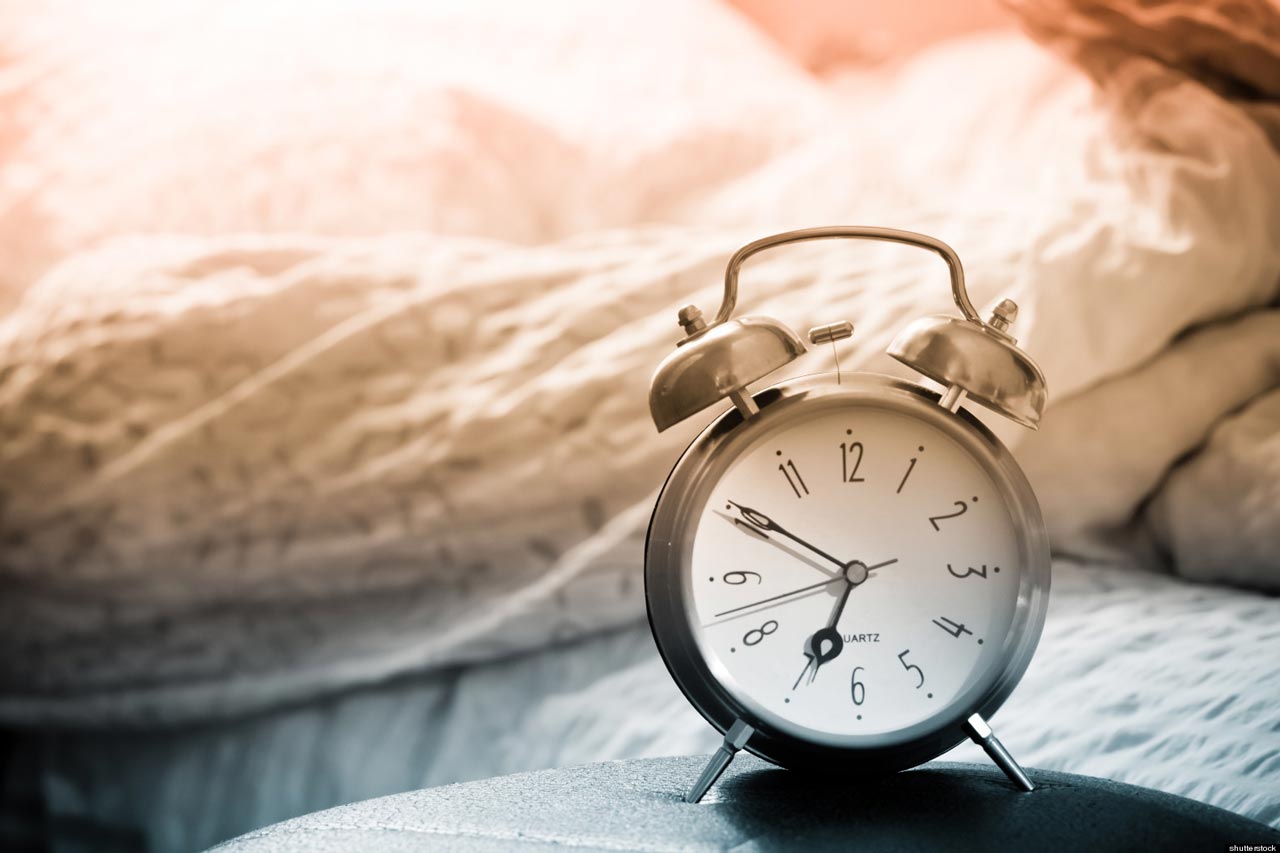
Sleep Matters - Part 2
By
Ayda Page
October 28th 2015
3 minutes read

Sleep is like a diet - it is important to have the right quality and quantity.
In my last article I mentioned how important it is to get enough sleep, and how there is a strong link between good quality sleep and obesity and other health problems.
Also you need to be aware that sleep quality affects your stress levels, anxiety, and emotional eating disorders. Actually we're not able to determine whether stress creates sleep disorder, or whether it's problems with sleep that create stress. But the good news is that when you treat one problem the other one disappears, or at least the symptoms are reduced.
What is stress? When we resist something out bodies create stress. I know this is not easy to control. When your body is stressed it releases a stress hormone called cortisol, which will motivate us to eat high sugary foods, to help us feel better. When you didn't get enough sleep the night before your cortisol levels are most likely higher, and with the stresses of your daily life you may end up eating more comfort food and the quality of your next nights sleep will decrease too.
So how can you escape from this rollercoaster? First, stop for a moment and think where the problem is originating. Is is stress that's causing your sleeping problems, or is it poor sleep that's causing you stress?
Let's look back and see how you can reduce stress and anxiety.
You certainly need to avoid high sugary foods, because high blood sugar levels lead to mood swings. You may also like to take extra B complex vitamins and especially niacin (B3). Actually taking 25-50mg niacin before bed can help you sleep better too.
Of course the best natural therapy is relaxation and meditation. Just give yourself some time to do nothing, if only for a couple minutes.
Now, how you can improve your sleep quality?
If your bedroom is cool you can fall asleep quicker and sleep longer than if it's too warm. Close the blinds but make sure the window is open a little so cool, fresh air can come in.
For at least the last hour before you sleep don't use any technology - that means no TV, no email. These devices keep our minds awake. Instead read a book, do something that doesn't involve looking at a screen.
Use your bedroom just for sleep.
If you wake in the night to go to the bathroom try to not turn the lights on, as you can have a hard time falling asleep again if you do. Lights decrease our melatonin levels, so yo may like to try a night light, especially yellow lights really help.
Also, if you wake up in the night then don't look at the time. This will keep you more alert. If you do wake up and can't sleep again then get up, do some reading or writing.
Don't worry if one day you sleep less than you need, you will catch up the next day. But make sure no napping during the day! Good sleep is our bodies nourishment, and we all need it.
In my next article I'll write about which foods can improve your sleep quality and quantity!
http://thegardenisland.com/lifestyles/sleep-matters-part-tips-on-getting-a-night-s-rest/article_7e423300-20e0-5243-b15a-fc70e8679c43.html
http://thegardenisland.com/lifestyles/sleep-matters-part-tips-on-getting-a-night-s-rest/article_7e423300-20e0-5243-b15a-fc70e8679c43.html